

Why Mold Remediation Matters in Cape Coral
For property owners in Southwest Florida, cape coral mold remediation is a critical service due to the region’s unique environmental challenges. Here’s what you need to know:
Quick Facts About Cape Coral Mold Remediation:
- Timeline: Mold can begin developing in 24-72 hours after water exposure
- Common Causes: High humidity (often above 60%), storm damage, plumbing leaks, and AC condensation
- Health Impact: 93% of chronic sinus infections are linked to mold exposure (Mayo Clinic)
- Process: Professional remediation includes inspection, containment, removal, and verification
- Prevention: Keeping indoor humidity below 50% and addressing water damage immediately are key
Cape Coral’s tropical climate, with its high humidity, frequent rain, and hurricanes, makes moisture intrusion inevitable. When water enters your property from a storm, leaky roof, or burst pipe, the clock starts ticking. Harmful mold can grow in your walls, ceilings, and HVAC systems in just three days.
The stakes are high. Mold damages property and threatens health, causing respiratory issues, chronic sinus infections, and fatigue. Children, the elderly, and those with asthma or allergies face the greatest risks.
This guide covers mold causes, warning signs, the professional remediation process, and prevention tips. You’ll also learn the critical difference between DIY attempts and certified professional services—a decision that can protect your home from a recurring nightmare.
I’m Nino Espinoza, owner of CAT 3 Recovery. With over 20 years of experience in *cape coral mold remediation and water damage restoration in Southwest Florida, my team and I have handled countless post-hurricane emergencies, guiding property owners from assessment through insurance claim resolution.*
structural drying leads to extensive mold contamination. – cape coral mold remediation infographic ” class=”aligncenter” src=”https://images.bannerbear.com/direct/4mGpW3zwpg0ZK0AxQw/requests/000/121/624/658/0eb715rd3zLxr9l9zBPpEmKay/613af5b5d839dda7ea7d81826f83375b91178f66.jpg” style=”display: block; margin-left: auto; margin-right: auto; max-width: 100%;” title=”Infographic showing the top 3 causes of mold in Cape Coral Florida homes: 1. High Humidity and Moisture – Indoor humidity above 60% from Southwest Florida’s tropical climate creates ideal conditions for mold growth within 24-72 hours. 2. Water Intrusion from Leaks – Roof leaks, plumbing failures, and AC condensation provide constant moisture sources that feed mold colonies in walls and ceilings. 3. Storm and Flood Damage – Hurricanes, tropical storms, and storm surge bring massive water intrusion that without proper structural drying leads to extensive mold contamination. – cape coral mold remediation infographic “/>
Why Cape Coral is a Hotspot for Mold: Causes and Health Risks
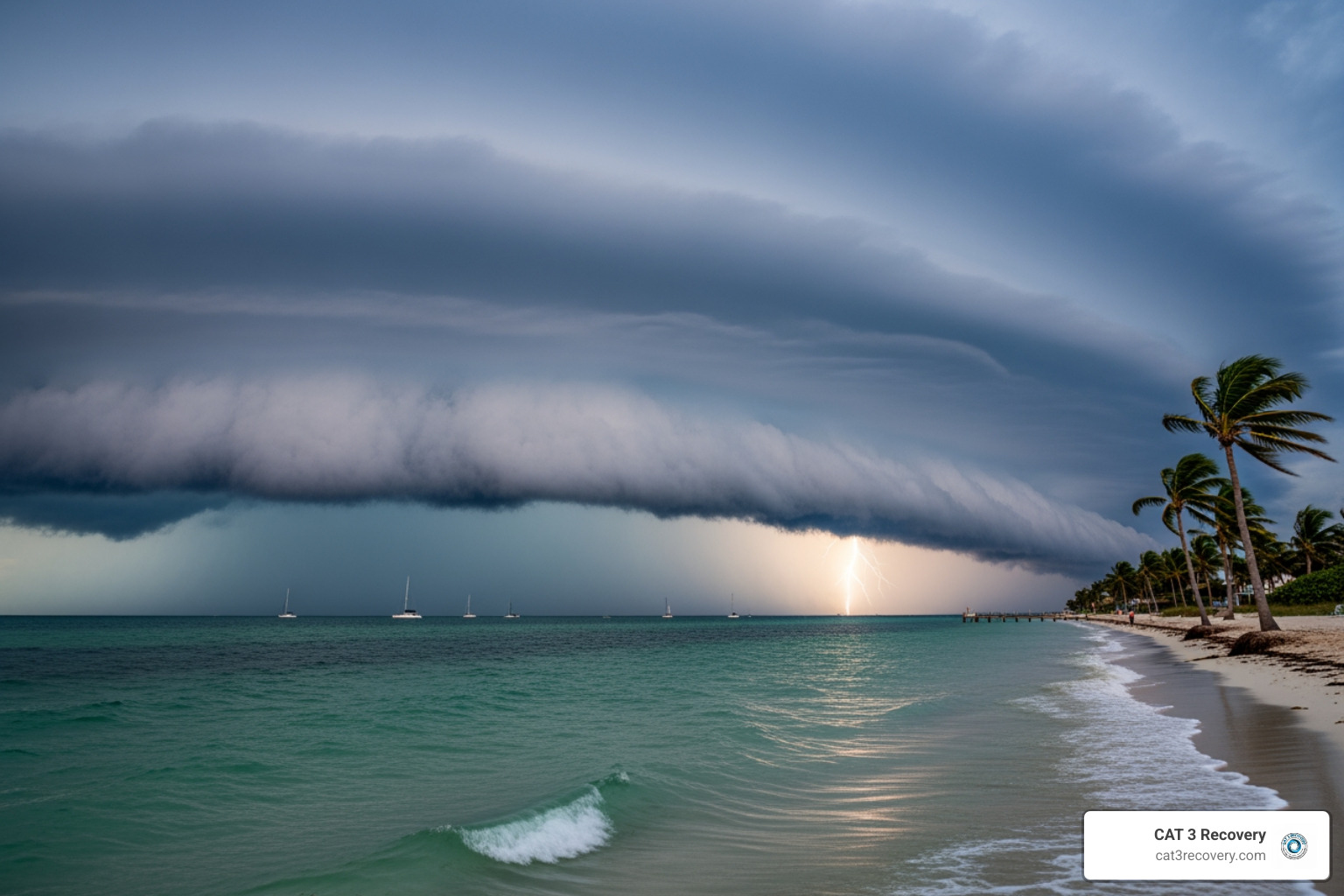
Living in Cape Coral offers beautiful weather, but our climate also creates an environment where mold thrives. Understanding why our region is so susceptible is the first step in protecting your property.
Common Causes of Mold Growth in Southwest Florida
Mold only needs moisture, warmth, and a food source (like drywall or wood) to grow—conditions our Cape Coral climate provides in abundance. The primary causes of mold growth in local homes and businesses include:
- High Humidity: Our tropical climate leads to indoor humidity often over 60%. When this warm, moist air hits cooler surfaces, condensation forms, creating a perfect breeding ground for mold.
- Storms and Rain: Heavy rainfall, tropical storms, and hurricanes cause water intrusion through damaged roofs, windows, or flooding. A small leak is enough for mold to develop within 24 to 72 hours.
- Plumbing Leaks: Hidden leaks from pipes, water heaters, or appliances can saturate building materials, creating ideal conditions for mold behind walls or under floors.
- Roof Leaks: Damaged or old roofs allow water into attics and wall cavities, especially during heavy rains, leading to hidden mold growth.
- Appliance Malfunctions: Leaking dishwashers, washing machines, and AC units cause water damage and mold if not addressed quickly.
- AC Condensation: Poorly maintained AC systems can have clogged condensation lines, leading to water accumulation and mold in drip pans or coils.
- Improper Structural Drying: After any water event, professional drying is critical. If building materials stay wet, mold will follow. Many mold issues we see stem from previous water damage that wasn’t dried correctly. Learn more in our article on Why Improper Structural Drying Causes Mold After Water Damage.
Health Risks Associated with Mold Exposure
Mold is a significant health concern. It releases microscopic spores into the air that can be inhaled, acting as allergens, irritants, or even producing toxic substances called mycotoxins.
Health risks from mold vary, but common symptoms include:
- Allergies and Respiratory Issues: Sneezing, runny nose, watery eyes, skin rashes, and a stuffy nose are common. For those with asthma, it can trigger severe attacks.
- Chronic Sinus Infections: According to the Mayo Clinic, 93% of chronic sinus infections are linked to mold, highlighting how often it’s the undetected cause of persistent health issues.
- Headaches and Fatigue: Many people report persistent headaches, dizziness, and unexplained fatigue.
- Skin Irritation: Direct contact can cause rashes, itching, and other forms of dermatitis.
Vulnerable Individuals: Children, the elderly, and people with asthma, allergies, or compromised immune systems are particularly susceptible to mold-related health issues.
Toxic Mold Concerns: Some molds, like “black mold” (Stachybotrys chartarum), produce harmful mycotoxins. While the term can be sensationalized, the health risks are real. All mold requires caution and professional assessment. Learn more in our article Mold vs Fungi: What Scientists Know That Most People Don’t.
The bottom line is that mold is not something to take lightly. Promptly addressing suspected mold in your Cape Coral property is essential for the health and safety of everyone inside.
Spotting the Enemy: Signs of Mold and the Role of Professional Inspection
Mold can be hidden or in plain sight. Knowing the signs and when to call experts can prevent bigger problems.
Telltale Signs of a Mold Problem
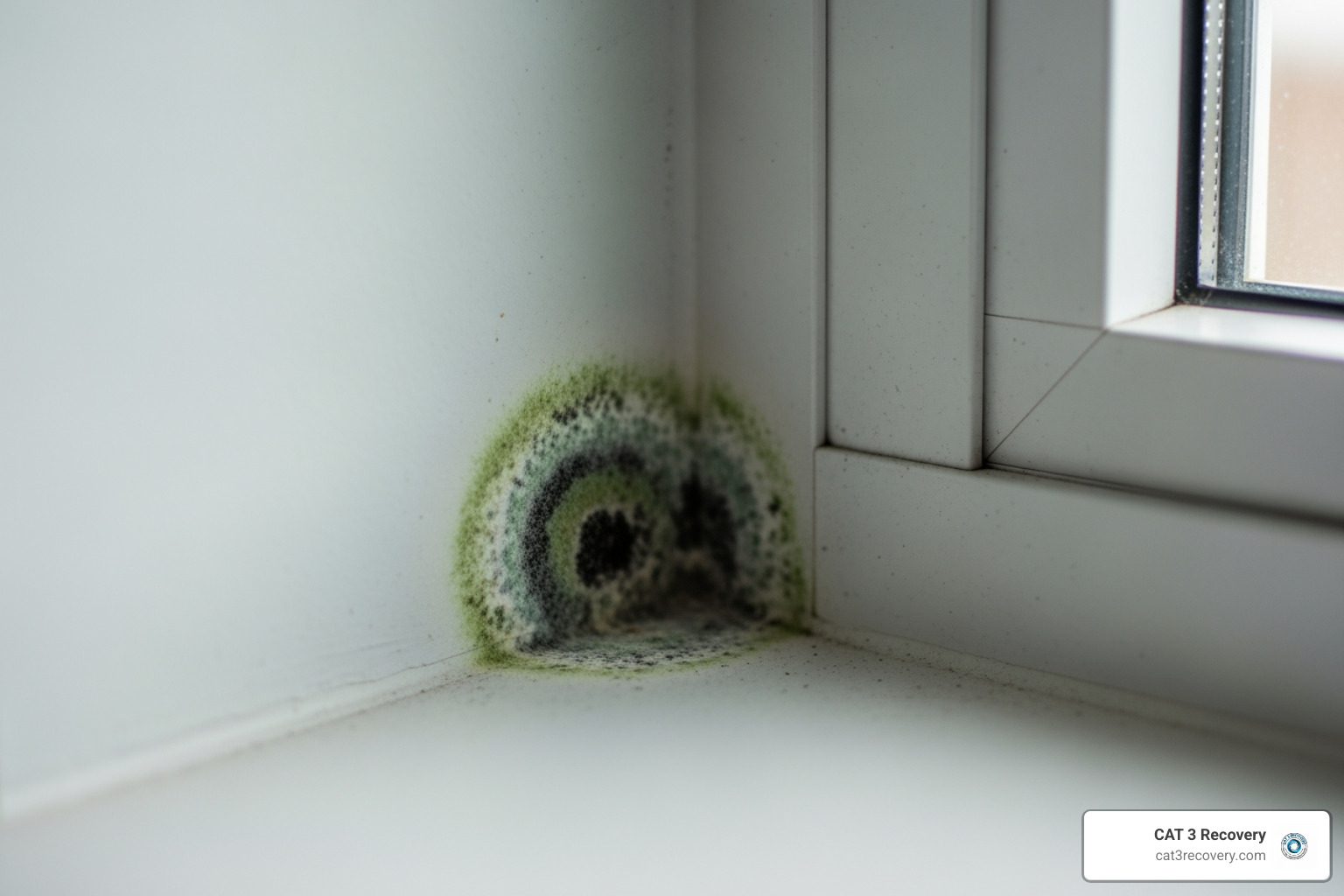
Mold isn’t always obvious. Here are common signs to look for in your Cape Coral property:
- Visible Growth: The most obvious sign. Mold appears as black, green, white, or other colored spots that can be fuzzy or slimy. Even small spots can signal a larger hidden problem.
- Musty Odors: A persistent earthy or damp smell is a strong indicator of mold, as you often smell it before you see it.
- Water Stains or Discoloration: Discolored patches on walls or ceilings can be a sign of past or ongoing moisture issues, even if the area is now dry.
- Peeling Paint or Wallpaper: Moisture behind walls can cause paint to bubble or peel and wallpaper to lift, often indicating mold growth.
- Warped Materials: Excess moisture can cause drywall to bulge or wood floors to warp, pointing to water damage and likely mold.
- Health Symptoms: Unexplained allergy symptoms, coughing, or respiratory issues that improve when you leave the building can indicate poor indoor air quality due to mold.
Sometimes people confuse mold with dust. Our article, Is It Mold or Dust? Understanding the Difference, offers helpful tips for distinguishing between the two.
The Importance of Professional Mold Inspection and Testing
Visible signs and odors only tell part of the story. Mold often hides in inaccessible areas, which is why professional inspection and testing are invaluable.
Here’s why a professional mold inspection is crucial:
- Detecting Hidden Mold: Certified inspectors use tools like moisture meters and thermal imaging cameras to find mold in concealed areas without causing damage.
- Finding the Moisture Source: The most critical step is fixing the underlying moisture problem to prevent mold from returning. Our experts trace water intrusion to its source.
- Air and Surface Testing: Air quality testing measures airborne spore concentrations, while surface samples can be sent to a lab to determine the specific type of mold present.
- Developing a Remediation Plan: Lab analysis provides concrete data on the mold type and concentration, which is vital for assessing health risks and creating a targeted remediation plan.
- Pre-Remediation Testing: Testing mold before remediation is vital. It ensures we understand the full scope of the problem before creating a treatment plan. Learn more on our Mold Removal page.
We recommend a professional Mold Inspection if you see or smell mold, have had recent water damage, are experiencing unexplained health issues, or are buying or selling a property. A professional inspection provides an accurate assessment and a clear path for effective cape coral mold remediation.
The Professional Cape Coral Mold Remediation Blueprint
For a mold problem in Cape Coral, a professional, certified team is essential. Our approach to cape coral mold remediation is a structured process designed to safely remove mold, address its cause, and restore your property by eradicating the problem at its source.
Step 1: Assessment and Planning
Our 24/7 emergency response team is ready to assist as soon as you contact us.
- Damage Assessment: Our certified technicians conduct a thorough inspection, using tools like moisture meters and thermal imaging to identify the extent of visible and hidden mold growth and locate all moisture.
- Identifying the Moisture Source: We pinpoint the exact source of water intrusion—a leaky pipe, compromised roof, or high humidity—and advise on how to fix it to prevent recurrence.
- Creating a Remediation Plan: We develop a detailed plan outlining the scope of work, techniques, timeline, and safety protocols. Since mold can spread in 72 hours or less, swift planning is essential.
Step 2: Containment and Air Filtration
Our next priority is preventing mold spores from spreading to unaffected areas.
- Isolating Contamination: We create containment zones with heavy-duty plastic sheeting to act as a physical barrier against spore travel.
- Negative Air Pressure: We use specialized equipment to create negative air pressure, ensuring air flows into the contained area, not out, trapping airborne spores.
- HEPA Air Scrubbers: High-Efficiency Particulate Air (HEPA) scrubbers run continuously inside the containment, capturing microscopic mold spores to improve air quality and prevent cross-contamination. For more details, visit our page on Mold Containment.
Step 3: Removal and Cleaning
With containment secure, we begin removing the mold.
- Removing Porous Materials: Porous materials with significant mold growth, like drywall, insulation, and carpet, are removed and disposed of as they cannot be fully cleaned.
- Antimicrobial Treatments: We apply EPA-approved antimicrobial solutions to remaining structural elements to kill mold colonies and inhibit future growth.
- Cleaning Non-Porous Surfaces: Hard surfaces like metal and glass are cleaned and sanitized with specialized agents.
- HVAC and Air Duct Cleaning: If your HVAC system is affected, we provide expert Air Duct Cleaning Cape Coral, FL to ensure your air quality is restored.
- Addressing Black Mold Removal: We employ heightened safety measures for potentially hazardous molds, taking Black Mold Removal very seriously.
Step 4: Drying and Restoration
The final stages ensure your property is dry, mold-free, and restored.
- Structural Drying: We use industrial-grade dehumidifiers and air movers to dry all structural elements, which is crucial for preventing mold’s return.
- Monitoring Moisture Levels: Technicians continuously monitor moisture levels to ensure everything is completely dry.
- Repair and Rebuilding: Once drying is complete and clearance testing passes, we begin restoration, from minor repairs to major rebuilding.
- Full Restoration: Our services ensure your property is fully restored, often tying into our Water Damage Cape Coral, FL services for a seamless process.
DIY vs. Pro: A Critical Decision for Your Property and Health
Finding mold in your Cape Coral property might tempt you to handle it yourself. While small patches (under 10 square feet) on non-porous surfaces may be a DIY job, anything more extensive requires professional expertise.
The choice between DIY and professional cape coral mold remediation is critical for your health, property, and finances.
The Risks of DIY Mold Removal
Attempting to remove a significant mold infestation yourself carries serious risks:
- Incomplete Removal: Without specialized equipment, it’s nearly impossible to remove microscopic spores embedded in porous materials, leading to rapid regrowth.
- Spreading Spores: Improper cleaning methods can release millions of spores into the air, spreading the contamination to new areas of your home.
- Health Hazards: Without proper personal protective equipment (PPE), you risk inhaling mold spores and experiencing allergic reactions or respiratory issues.
- Failure to Address the Source: DIY efforts often overlook the underlying moisture problem, guaranteeing the mold will return.
- Ineffective Products: Bleach is ineffective on porous materials and doesn’t remove allergens. Many DIY products are not powerful enough for comprehensive removal.
- Recurring Mold: Due to these factors, mold frequently returns after DIY attempts, costing more time and money in the long run.
Benefits of Hiring a Certified Professional
Hiring a certified professional is an investment in your property’s health and your family’s well-being.
- Expertise and Training: Our IICRC-certified technicians follow industry best practices for safe and effective mold removal. Learn more at the Institute of Inspection Cleaning and Restoration Certification.
- Specialized Equipment: We use industrial-grade equipment like HEPA air scrubbers, dehumidifiers, and thermal cameras for effective detection, containment, and removal.
- Proper Safety Protocols: Our teams use proper PPE and containment procedures to protect everyone from mold exposure during the process.
- Guaranteed Results: Professional remediation addresses the source of the problem, significantly reducing the chance of recurrence and often comes with a warranty.
- Thoroughness: We identify hidden mold, contain all spores, and ensure the area is thoroughly dried and treated.
- Peace of Mind: Hiring certified professionals provides invaluable peace of mind that the job is done right the first time.
For extensive mold problems, the DIY route often leads to frustration and greater costs. Professional remediation ensures the job is done safely and effectively.
After the Remediation: Prevention, Verification, and Insurance
After professional cape coral mold remediation, the final steps are verification, prevention, and handling insurance claims. These stages are crucial for a long-term, mold-free environment.
How to Prevent Future Mold Growth
Preventing mold recurrence is paramount in Cape Coral’s climate. If moisture isn’t controlled, mold will return. Follow these best practices:
- Control Indoor Humidity: Keep indoor humidity below 50% using dehumidifiers and your AC. This is the most critical prevention step in our climate.
- Ensure Proper Ventilation: Use exhaust fans in bathrooms and kitchens and circulate fresh air when outdoor humidity is low.
- Promptly Fix Leaks: Be vigilant about leaks from pipes, roofs, or appliances. Address any water stains immediately.
- Dry Wet Areas Quickly: Completely dry any wet areas within 24-48 hours to prevent mold from colonizing. Learn more in our article on How Long Wet Building Materials Can Stay Before Mold Growth Begins.
- Regular Inspections: Periodically check your attic, crawl spaces, and around plumbing for signs of moisture or mold, especially after storms.
- Maintain HVAC Systems: Regularly service your AC system, clean or replace filters, and check condensation lines for blockages.
- Improve Drainage: Ensure gutters are clear and the ground slopes away from your foundation to prevent water accumulation.
Post-Remediation Verification and Insurance Claims
The final stage involves verifying success and working with insurance.
- Third-Party Clearance Testing: We recommend a post-remediation “clearance” test by an independent third-party assessor. They take air and surface samples to confirm mold levels are normal and the property is safe. This provides objective verification and is often required by insurance.
- Verifying Success: The clearance report serves as official documentation that the cape coral mold remediation was successful.
- Documenting for Insurance: We carefully document the entire process—assessments, photos, moisture readings, and reports—for your insurance claim.
- Working with Insurance: We have extensive experience with Florida insurance companies. We provide all necessary documentation and can communicate with your adjuster to help ensure your claim is processed smoothly.
- Understanding Your Policy: Mold coverage varies. Review your policy to understand your specific coverage for Mold Remediation in Cape Coral. We can help you understand what information your insurer will need.
Conclusion
Living in Cape Coral means being prepared for mold, a challenge presented by our subtropical climate. High humidity, storms, and leaks create a perfect breeding ground for mold, which can have serious implications for your property and health. This guide has covered how to recognize the signs and understand the professional cape coral mold remediation process.
Mold can develop in 24-72 hours, and with 93% of chronic sinus infections linked to it, swift professional action is critical. DIY attempts risk incomplete removal and health hazards. The expertise and equipment of certified professionals ensure a safe, thorough, and lasting solution.
Protecting your investment and family’s health is paramount. Don’t let mold undermine the safety of your Cape Coral property. For an expert assessment and a comprehensive solution, learn more about professional Mold Removal in Cape Coral, FL. At CAT 3 Recovery, we’re here to help you breathe easy again.
