

Your Bedroom’s Unseen Threat: Understanding Mold
The dangers of mould in bedroom environments are more serious than many homeowners realize. Since you spend hours there nightly, mold exposure can lead to:
- Respiratory problems: Coughing, wheezing, and worsening asthma
- Sleep disruption: Insomnia, snoring, and daytime sleepiness
- Allergic reactions: Nasal congestion, itchy eyes, and skin rashes
- Long-term health issues: Chronic inflammation and potential asthma development in children
A moldy bedroom is a health hazard affecting you every night. Research links household mold to increased sleep problems, with studies showing that people reporting mold odors also have higher rates of sleep disturbances. Furthermore, damp and moldy homes are associated with thousands of cases of asthma and respiratory infections annually.
This guide will walk you through the dangers of mold in your bedroom, how to spot it, and what you can do to protect your health.
I’m Nino Espinoza, owner of CAT 3 Recovery. With over 20 years of experience in Southwest Florida, my team and I have seen how quickly bedroom mold can impact families, especially after water damage from hurricanes and flooding.
What is Bedroom Mold and Why Does It Grow There?
Mold is a sneaky opponent. It doesn’t need much to thrive—just moisture and something organic to feed on. Understanding what mold is and why your bedroom can be its perfect hideaway is the first step in combating it.
The Science of Mold: A Common Household Fungus
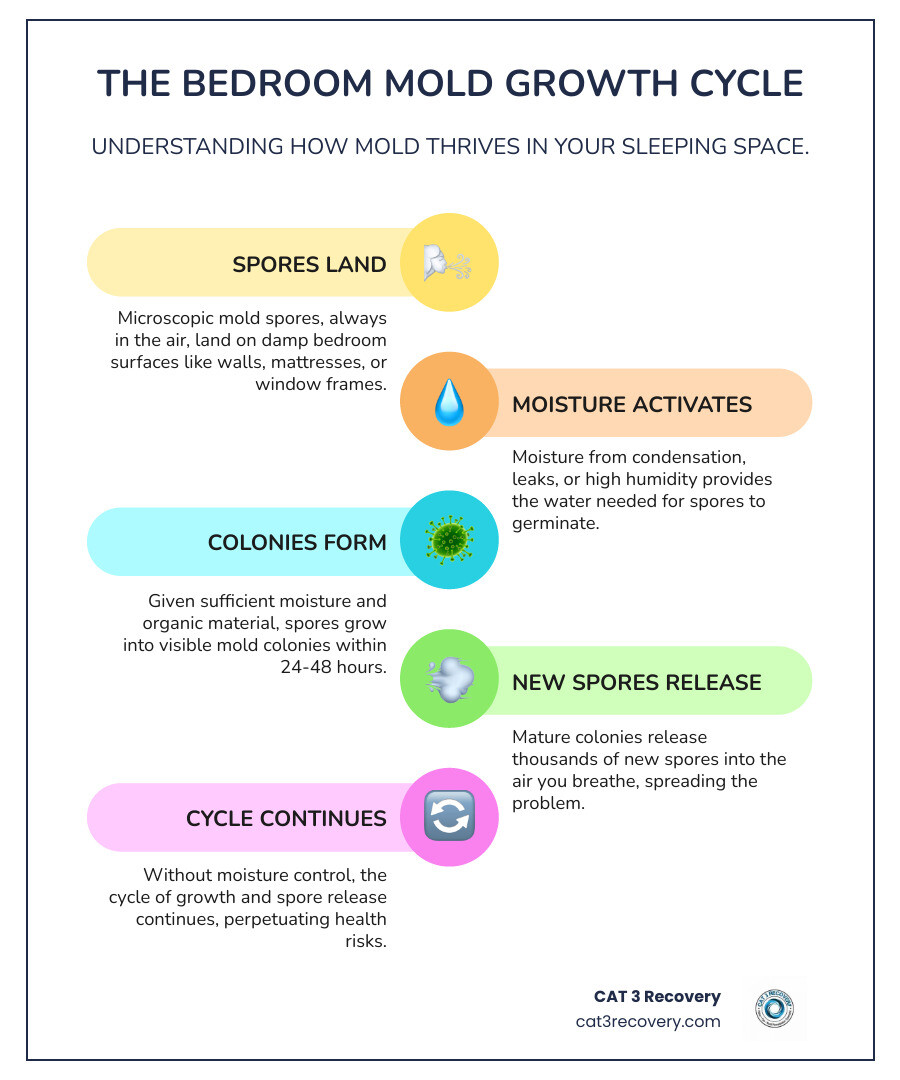
At its core, mold is a microscopic fungus that breaks down dead organic matter. It reproduces by releasing tiny, lightweight spores into the air, which are constantly around us. When these spores land on a damp surface with a food source, they begin to grow into the colonies we recognize as mold. The Centers for Disease Control and Prevention (CDC) provides Basic Facts about Mold and Dampness, emphasizing that moisture is the key ingredient for mold growth.
Common indoor molds include Cladosporium, Penicillium, and Aspergillus, which appear as fuzzy green, black, or white patches. Stachybotrys chartarum, often called “black mold,” specifically thrives on high-cellulose materials like paper, wood, and drywall when they are damp. You can learn more about the distinctions between fungi in our article, More info about Mold vs Fungi.
Why Bedrooms Are Prime Mold Habitats
Your cozy bedroom can be a prime breeding ground for mold. While kitchens and bathrooms are obvious moisture zones, bedrooms have their own unique conditions. As we sleep, our breathing and body heat release moisture, creating localized humidity, especially in poorly ventilated spaces.
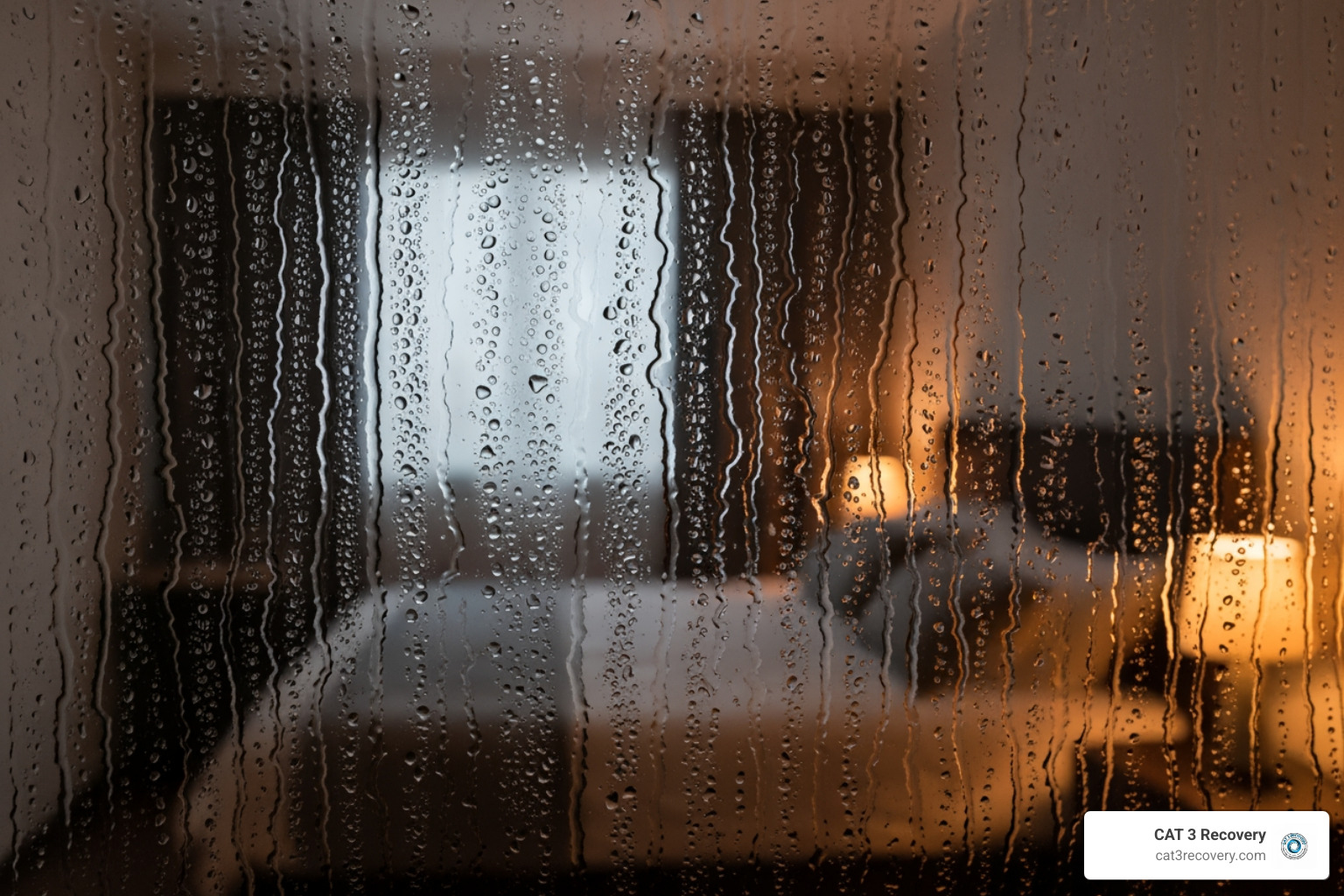
In Southwest Florida’s humid climate, this is an even bigger concern. Condensation is a major culprit. When warm, moist indoor air contacts colder surfaces—like a windowpane or an exterior wall—the moisture turns into liquid water, creating a perfect spot for mold.
Other common moisture sources in a bedroom include:
- Leaky roofs or windows: A small leak after a storm can provide a steady supply of moisture.
- Poor airflow behind furniture: Large items against walls can trap moisture and prevent air circulation.
- Closets: Cramped, poorly ventilated closets can become humid, especially if damp clothes are stored inside.
- Indoor plants: Plants release moisture, contributing to overall humidity.
- Unaddressed spills: A spill on a carpet or mattress not dried within 24-48 hours can become a mold habitat.
We’ve seen countless cases where a small water intrusion turns into a significant mold problem. It’s amazing How Long Wet Building Materials Can Stay Before Mold Growth Begins.
Spotting the Unwanted Guest: Signs of Mold in Your Bedroom
Mold isn’t always obvious, but it often leaves clues. Being vigilant for these signs can help you catch a problem early:
- Visible growth: Look for fuzzy, discolored patches—green, black, white, or even pink—on walls, ceilings, or furniture. These spots can spread quickly.
- Musty odor: Mold produces a distinct, earthy or musty smell. A persistent damp odor is a strong indicator of mold, even if it’s hidden behind walls or under flooring.
- Water stains or discoloration: Brown or yellow stains on ceilings or walls often signal past or current water intrusion, which leads to mold.
- Peeling or bubbling paint/wallpaper: Moisture trapped behind these surfaces can cause them to peel or bubble, creating ideal conditions for mold to grow underneath.
- Warped or buckling materials: Soft drywall, warping floorboards, or damp carpets are all signs of excessive moisture and potential mold.
It can be tricky to tell mold from dust. Our guide Is It Mold or Dust? Understanding the Difference can help you differentiate.
The Hidden Dangers of Mould in Bedroom Environments

The dangers of mould in bedroom environments extend far beyond aesthetics. Because we spend so many hours sleeping there, continuous exposure to mold spores can profoundly impact our health, affecting our sleep, respiratory system, and overall well-being. Health organizations agree that inhaling or touching mold spores can cause allergic reactions, trigger asthma attacks, and lead to respiratory illnesses.
How Mold Exposure Sabotages Your Sleep
Our bedrooms should be sanctuaries for rest, but mold can cause significant sleep disruption. Research strongly suggests a link between mold exposure and poor sleep quality.
- Insomnia, snoring, and sleepiness: One large study correlated household molds with increased sleep problems, including insomnia, snoring, and excessive daytime sleepiness.
- Sleep disturbances: Another study found that people who reported mold odors at home also had higher rates of sleep disturbances. That musty smell isn’t just unpleasant; it could be interfering with your sleep.
- Allergic rhinitis: Often caused by indoor molds, allergic rhinitis leads to nasal congestion and sneezing. These symptoms can cause restless sleep, obstructive sleep apnea, and snoring.
The scientific community continues to explore this connection, with studies like the one in Environment International providing valuable insights. You can read more about this Scientific research on dampness, mold, and sleep problems.
Respiratory Risks: The Link Between Mold, Asthma, and Allergies
The respiratory system is often the first to suffer from airborne mold spores, leading to some of the most common and severe health effects.
- Coughing, wheezing, and shortness of breath: Inhaling mold spores can irritate airways, leading to persistent coughing, wheezing, and breathlessness, which can become chronic for sensitive individuals.
- Worsening asthma: For those with asthma, mold is a potent trigger, leading to more frequent and severe attacks as it increases airway inflammation.
- Development of asthma in children: Perhaps the most alarming dangers of mould in bedroom environments is its potential to help cause asthma in young children. Studies show infants in moldy homes are three times more likely to develop asthma by age 7.
All types of mold pose respiratory risks. Addressing any mold problem is crucial for respiratory health. For more on tackling serious mold issues, visit our page on More info about Black Mold Removal.
Beyond the Lungs: Other Health Problems and Long-Term Effects
While respiratory issues are common, the dangers of mould in bedroom environments can extend to other parts of the body and lead to long-term health complications.
- Skin and eye irritation: Contact with mold spores can cause skin rashes and redness, particularly for those with eczema. Red, watery, or itchy eyes are also common allergic reactions.
- Headaches and fatigue: Many people exposed to mold report persistent headaches, general fatigue, and a feeling of malaise that impacts daily life.
- Chronic Inflammatory Response Syndrome (CIRS): In some susceptible individuals, prolonged mold exposure can trigger CIRS, a complex multi-system illness affecting cognitive function, neurological systems, and more.
- Immune system and mental health: Research links chronic mold exposure to inflammation markers in the body. Living in damp, moldy homes is also associated with an increased risk of depression and anxiety.
For a comprehensive overview of the various health effects related to mold exposure, we recommend reviewing the Guidance on health effects related to mold exposure from the Center for Indoor Environments and Health.
Who is Most Vulnerable to Bedroom Mold?
While mold can affect anyone, certain individuals are particularly vulnerable to its adverse health effects. Their immune systems, developing bodies, or pre-existing conditions make them more susceptible to the dangers of mould in bedroom environments.
Identifying High-Risk Individuals
We pay close attention to these groups because even seemingly minor mold issues can pose significant risks to their health:
- Infants and children: Their developing respiratory and immune systems are more sensitive. As noted, infants in moldy homes are three times more likely to develop asthma by age 7.
- The elderly: Older adults often have weakened immune systems and pre-existing respiratory conditions, making them more susceptible.
- Individuals with pre-existing respiratory conditions (asthma, COPD): For them, mold is a direct trigger that worsens symptoms and increases the frequency of attacks.
- People with compromised immune systems: This includes individuals undergoing chemotherapy or those with autoimmune diseases. They are highly vulnerable to fungal infections.
- Pregnant women: Mold exposure during pregnancy can have implications for both the mother and developing fetus.
- People with allergies: Anyone with a history of allergies may be more prone to reacting to mold spores.
If someone in your household falls into one of these categories, it’s critical to address bedroom mold promptly.
A Tragic Reminder: The Story of Awaab Ishak
The tragic case of Awaab Ishak is a powerful reminder of the extreme dangers of mould in bedroom environments. In 2020, the two-year-old died from a respiratory infection caused by prolonged exposure to mold in his home. Despite repeated reports, the underlying moisture issues were not addressed.
The coroner concluded his death was a direct result of the extensive mold. This heartbreaking event underscores that mold is a serious health hazard with potentially fatal consequences, especially for children and other vulnerable individuals. It highlights the critical importance of taking all mold problems seriously. You can read more in the BBC article on the tragic death of Awaab Ishak.
Your Action Plan: Preventing and Removing Bedroom Mold
Now that we’ve explored the dangers of mould in bedroom environments, let’s talk about what you can do. Taking proactive steps to prevent mold and knowing how to safely remove it are crucial for maintaining a healthy home and protecting your well-being. The Environmental Protection Agency (EPA) offers excellent guidance in A Brief Guide to Mold, Moisture, and Your Home.
Prevention is Key: How to Keep Your Bedroom Mold-Free
Preventing mold is always easier than removing it. The core principle is simple: control moisture. Here’s how you can make your bedroom less hospitable to mold:
- Control humidity: Aim to keep indoor humidity levels between 30% and 50%. In humid climates like Southwest Florida, this often means using an air conditioner or a dehumidifier. Run them regularly, especially during the warmer, wetter months.
- Improve ventilation: Good airflow helps dry out moisture. Open windows and doors whenever possible, particularly after showering or during activities that generate steam. Consider using exhaust fans, especially if your bedroom has an attached bathroom.
- Fix leaks promptly: This is non-negotiable. Even a small drip from a roof, window, or pipe can provide enough moisture for mold to flourish. After a major storm or hurricane, immediately check for any signs of water intrusion. We’ve seen Why Improper Structural Drying Causes Mold After Water Damage is so crucial.
- Increase airflow behind furniture: Pull furniture a few inches away from walls, especially exterior walls. This allows air to circulate and prevents condensation from building up in those hidden, cold spots.
- Keep closets dry and aired out: Avoid overstuffing closets, which restricts airflow. If possible, leave closet doors ajar occasionally, and ensure any damp clothing is fully dry before storing it.
- Clean and dry spills immediately: Any water spill on carpets, mattresses, or other surfaces should be cleaned up and thoroughly dried within 24-48 hours to prevent mold growth.
DIY Mold Removal: Tackling Small Infestations Safely
For small mold patches (less than 10 sq. ft.), you can often handle removal yourself. Safety is paramount:
- Wear safety gear: Use rubber gloves, an N-95 respirator mask, and eye goggles.
- Ventilate the area: Open windows and use fans to direct air outside. Isolate the room to prevent spores from spreading.
- Use the right cleaner: On non-porous surfaces, use soap and water, a diluted bleach solution (1 cup bleach per gallon of water; never mix with ammonia), or a commercial cleaner.
- Scrub and dry: Scrub the mold away with a stiff brush and dry the area completely to prevent regrowth.
- Discard porous materials: Porous items like carpet, drywall, or insulation with mold growth should be discarded as they can’t be fully cleaned.
- Containment: Isolating the work area prevents cross-contamination. Learn more in our article on More info about Mold Containment.
When to Call Professionals for the Dangers of Mould in Bedroom
While DIY works for small spots, professional mold remediation is essential in many cases to ensure safety and thoroughness. As a restoration company in Southwest Florida, we know when to call for expert help:
- Large infestations: If mold covers more than 10 square feet, the EPA and CDC recommend professionals due to the hazard of airborne spores.
- Hidden mold: If you smell mold but can’t see it, it’s likely hidden. Professionals have equipment to find and access it.
- HVAC contamination: Mold in your HVAC system can spread spores throughout your home and requires specialized cleaning.
- After major water damage: Following events like hurricanes, extensive water damage almost guarantees a mold problem that needs professional remediation.
- If residents are high-risk: If your household includes infants, the elderly, or immunocompromised individuals, professional removal is safest.
- Need for assessment: A licensed mold assessor can identify the extent of the problem. We at CAT 3 Recovery work with assessors to create a complete remediation plan. Learn more about our More info about Mold Inspection services.
Our IICRC-certified team has the equipment and expertise to handle mold remediation safely, returning your home to a healthy state.
Renters’ Rights and Landlord Responsibilities
For renters, dealing with mold can be particularly frustrating, as you don’t own the property but are directly impacted by its condition. Understanding your rights and your landlord’s obligations is crucial. While specific laws vary by state and local jurisdiction, the general principles of a safe and habitable living environment apply everywhere.
Understanding Your Rights as a Tenant
If you find mold in your bedroom or anywhere else in your rental property, here’s how you can advocate for a healthier living space:
- Report mold to your landlord immediately: Put your concerns in writing. A written record (email, certified letter) is essential documentation. Clearly describe the mold, its location, and any associated moisture problems.
- Document issues thoroughly: Take photos or videos of the mold and any water damage. Keep copies of all communications with your landlord. This documentation will be invaluable if further action is needed.
- Legal right to a safe home: Most jurisdictions have implied warranties of habitability, meaning landlords are legally required to provide a safe and livable home. This generally includes addressing significant mold issues.
- Contacting local code enforcement: If your landlord is unresponsive or fails to adequately address the mold problem, you may need to contact your local housing authority or code enforcement office. They can inspect the property and, if violations are found, order your landlord to make repairs.
The legal landscape regarding tenant and landlord responsibilities for mold can be complex. We encourage you to seek advice from local tenant rights organizations or legal counsel in your area of Southwest Florida for specific guidance. You can find general principles of fitness for habitation in rented homes from organizations like Shelter, who explain landlord responsibilities to keep homes fit for human habitation.
A Landlord’s Duty: Legal Obligations for a Mold-Free Property
Landlords have a fundamental responsibility to provide and maintain a safe and habitable living environment for their tenants. When it comes to mold, this often means:
- Responsibility to fix underlying causes: A landlord’s duty extends beyond simply cleaning visible mold. They must identify and fix the root cause of the moisture problem (e.g., a leaky roof, plumbing issue, or inadequate ventilation) that led to the mold growth. Cosmetic fixes like painting over mold are unacceptable and will not solve the problem.
- Structural repairs: Addressing problems like roof leaks, foundation cracks, or faulty plumbing falls squarely on the landlord. These structural issues are often the primary drivers of significant mold growth.
- Providing adequate ventilation: Landlords may be responsible for ensuring the property has proper ventilation, such as functioning exhaust fans in bathrooms and kitchens, to help manage humidity and prevent condensation.
- Legal consequences of neglect: Failure to address significant mold issues can lead to legal action, including tenants withholding rent (in an escrow account, not directly), breaking leases, suing for damages, or involving government agencies. In severe cases, landlords could face fines or penalties for neglecting their property.
While specific laws and regulations vary, the general principle is that landlords must act promptly and effectively to address mold and moisture issues that impact the habitability and safety of their rental properties.
Frequently Asked Questions about the Dangers of Mould in Bedroom
We often hear similar questions from concerned homeowners and renters in Southwest Florida about mold. Here are some of the most common ones:
Is black mold more dangerous than other types of mold?
This is a common misconception! While “black mold” (Stachybotrys chartarum) gets a lot of media attention, it’s not inherently more dangerous than other types of mold. All molds have the potential to cause health issues, especially for sensitive individuals. The color of the mold doesn’t dictate its toxicity. The presence of any mold indicates a moisture problem that needs to be fixed. Our focus should always be on safe removal and moisture control, not on identifying the specific type or color of mold.
How quickly can mold in the bedroom affect my health?
This varies greatly depending on the individual and the amount of mold. Individuals with mold allergies or asthma can experience symptoms almost immediately upon exposure—within minutes or hours. For others, symptoms may develop over time with prolonged exposure, or they may not experience any noticeable symptoms at all. Factors like the type of mold, the concentration of spores, and your overall health play a role in how quickly and severely you react.
Can I just paint over mold?
No, absolutely not! Painting over mold is a temporary fix that will inevitably fail. It does not kill the mold or address the underlying moisture problem. Instead, it traps the moisture, allowing the mold to continue growing and spreading behind the paint. The mold will eventually reappear through the paint, and the underlying problem will remain unaddressed, potentially worsening the structural damage and health risks. Always remove the mold and fix the moisture source before painting.
Reclaim Your Bedroom and Your Health
The dangers of mould in bedroom environments are real, impacting everything from your respiratory health to your quality of sleep. By controlling moisture, staying vigilant for signs of growth, and acting quickly, you can maintain a safe and healthy environment. For extensive mold issues, especially after water damage, the expertise of a certified professional is essential to ensure complete and safe removal. CAT 3 Recovery provides expert services to restore your home to a safe condition. If you’re facing a serious mold problem, don’t wait.
Protect your home and health with professional Mold Remediation
