

What to Do in the Critical First Hours After a Fire
A fire damage emergency demands immediate, decisive action to protect your family’s health and prevent further property loss. Whether you’ve just experienced a kitchen fire, electrical blaze, or widespread smoke infiltration, the decisions you make in the next 24 hours will significantly impact your recovery timeline and costs.
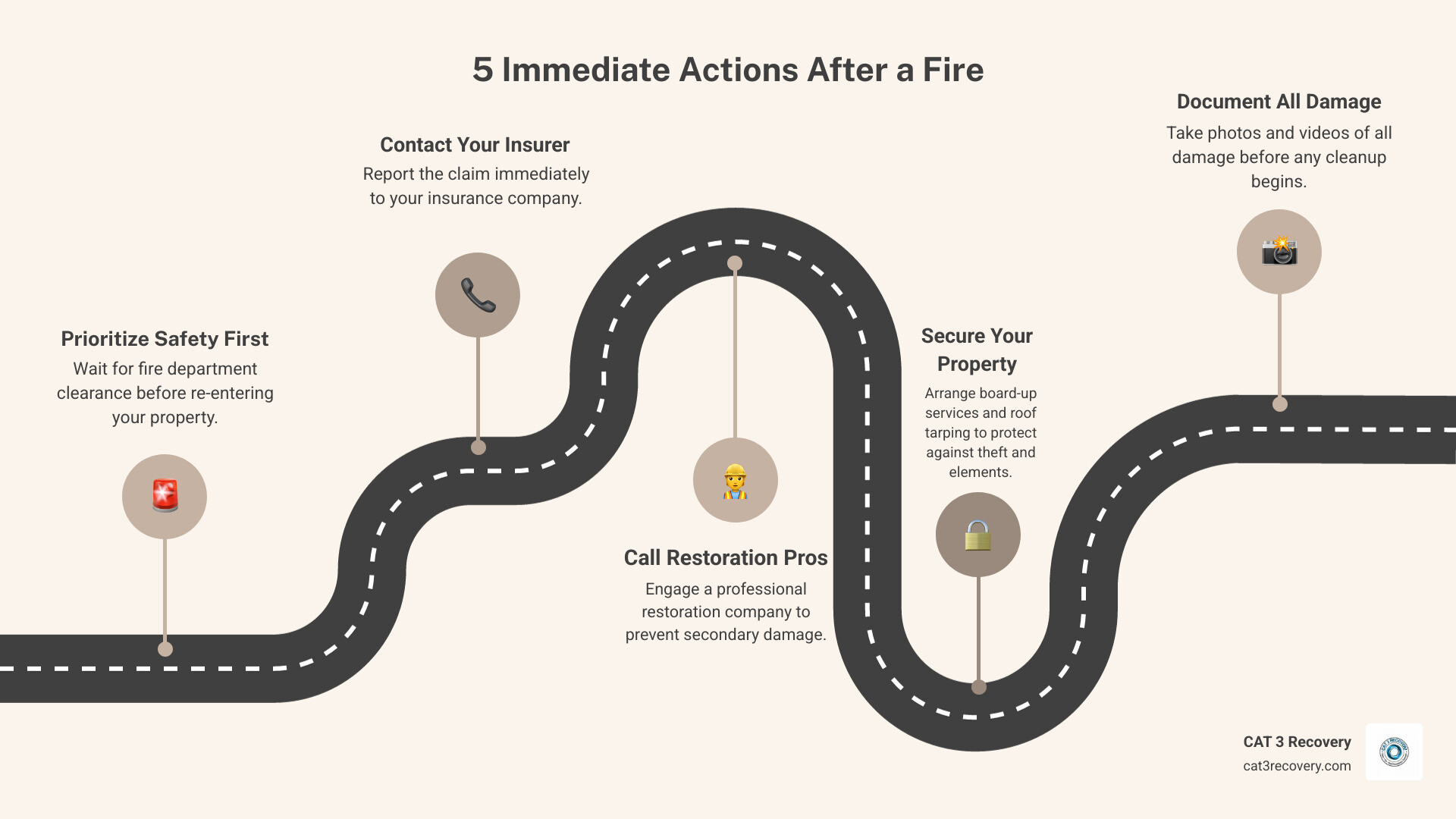
Immediate Actions After a Fire:
- Ensure everyone is safe – Do not re-enter until fire department clearance
- Call your insurance company – Report the claim immediately to start the process
- Contact a professional restoration company – Prevent secondary damage from soot and water
- Secure your property – Board-up services and roof tarping to prevent theft and weather damage
- Document everything – Take photos and videos before any cleanup begins
- Notify your mortgage lender – Keep them informed if the property will be vacant
The reality is sobering: in 2022, U.S. fire departments responded to 352,500 fires in residential buildings, causing $17.1 billion in direct property damage. But fires don’t just destroy through flames—the smoke, soot, and water used to extinguish them often cause more widespread damage than the fire itself. Even homes that aren’t directly burned can suffer serious contamination requiring professional remediation.
Many homeowners make costly mistakes in those first critical hours. They underestimate smoke damage, attempt DIY cleanup that spreads soot deeper into materials, or delay calling professionals until secondary issues like mold growth compound the problem. Understanding what to do—and what not to do—can mean the difference between a manageable restoration and a total loss.
I’m Nino Espinoza, owner of CAT 3 Recovery, and I’ve spent over 20 years leading fire damage emergency response teams across Southwest Florida, from small kitchen fires to major hurricane-related blazes. This guide walks you through every critical step of fire damage recovery, from the moment the smoke clears to the day you move back in.
Your First 24 Hours: Immediate Steps After a House Fire
The moments immediately following a fire can be chaotic and overwhelming. Our primary goal is always to ensure safety and then to mitigate further damage to your property.
Prioritize Safety: When Is It Safe to Re-enter?
After the firefighters have left, the urge to re-enter your home and assess the damage is natural. However, this is one of the most critical times to exercise caution. Your home, even if the fire appears to be out, could still pose significant dangers.
The most important rule is this: do not re-enter your damaged home until the fire department says it’s safe. They are the only authority who can properly assess the structural integrity of the building. Walls and ceilings may be weakened and prone to collapse, and hidden embers could still reignite.
Beyond structural risks, a fire-damaged home is a hazardous environment due to the byproducts of combustion. Soot and ash, while seemingly harmless, contain a complex mixture of gases and particulate matter, including carbon monoxide and other chemicals. Breathing in these fine particles can cause respiratory irritation, worsen asthma, and even expose you to potential carcinogens. The EPA highlights how smoke from fires can affect your health, emphasizing the risks of fine particulate matter.
If, and only if, authorities have deemed it safe for limited entry (e.g., to retrieve essential items), it is crucial to protect yourself. We strongly recommend wearing Personal Protective Equipment (PPE) such as:
- N95 or P100 respirators: To filter out harmful airborne particles.
- Goggles: To protect your eyes from irritants and debris.
- Heavy-duty gloves: To protect your hands from sharp objects and corrosive residues.
- Long pants and long-sleeleeved shirts: To minimize skin exposure.
- Closed-toe shoes: To protect your feet from nails and debris.
Even with PPE, limit your time inside and avoid disturbing ash or soot more than necessary. Your health is paramount.

Your First Steps in a fire damage emergency: Essential Calls
Once you and your family are safe, making the right calls quickly can set the stage for a smoother recovery.
Here’s a list of essential contacts:
- Your Insurance Agent: This is your first and most crucial call after ensuring safety. Report the fire and file a claim immediately. Your agent will guide you on the next steps, including securing your home and hiring a reliable restoration company. Don’t forget to ask about Additional Living Expenses (ALE) if you’re displaced.
- Landlord or Mortgage Company: If you rent, notify your landlord. If you own, inform your mortgage lender, especially if the property will be vacant for an extended period.
- Family and Friends: Let your loved ones know you are safe. They can offer emotional support and practical assistance.
- Disaster Relief Services: Organizations like the American Red Cross are invaluable in the immediate aftermath. They can provide temporary shelter, food, clothing, and medicine. You can find an open Red Cross shelter near you.
- Utility Companies: Ensure electricity, gas, and water are turned off to prevent further hazards. Do not attempt to turn them back on yourself if they were shut off by emergency responders.
- Local Police Department: If your home will be vacant, notify the police to deter theft and vandalism.
How to Secure Your Property
Securing your property immediately after a fire is vital to prevent further damage and loss. Firefighters may have broken windows or cut holes in the roof for ventilation and access, leaving your home exposed.
- Preventing Theft: An unsecured property is an easy target. Most reputable restoration companies, including us at CAT 3 Recovery, provide emergency board-up services. This involves covering windows and doors with sturdy plywood, often bolted from the inside, to prevent unauthorized entry.
- Limiting Further Damage: Exposed roofs can lead to significant water damage from rain, especially here in Southwest Florida where storms are frequent. Tarping the roof is a common temporary solution to protect your home’s interior.
- Notifying Local Police: As mentioned, inform your local police department that your property is vacant and damaged. This provides an extra layer of security.
- Documenting the Property’s Condition: Before any securing work begins, take extensive photos and videos of the entire property, inside and out. This documentation is crucial for your insurance claim, showing the extent of damage before any mitigation efforts.
Navigating the Aftermath of a Fire Damage Emergency
Once the immediate safety and security concerns are addressed, the focus shifts to understanding the full scope of the damage and planning for restoration.
Assessing the Damage: What to Look For
After a fire, the damage isn’t always obvious. While flames charring surfaces are undeniable, much of the damage can be hidden or subtle. A thorough assessment is key to a complete recovery.
- Documenting with Photos and Video: This cannot be stressed enough. Before anything is touched or cleaned, walk through your property (only if deemed safe by authorities and with appropriate PPE) and carefully photograph and video every affected area. Capture wide shots and close-ups, focusing on visible fire damage, smoke and soot residue, water damage, and any personal belongings. This visual record is invaluable for your insurance claim.
- Creating an Inventory of Lost Items: Start compiling a detailed list of all damaged or destroyed belongings. Include descriptions, estimated age, and approximate replacement cost. Having receipts or photos of these items will help immensely.
- Visible Damage vs. Hidden Damage: Don’t be fooled by what you can see. While charred walls are clear, smoke and soot can penetrate porous materials like drywall, insulation, and even the HVAC system, causing hidden damage and lingering odors.
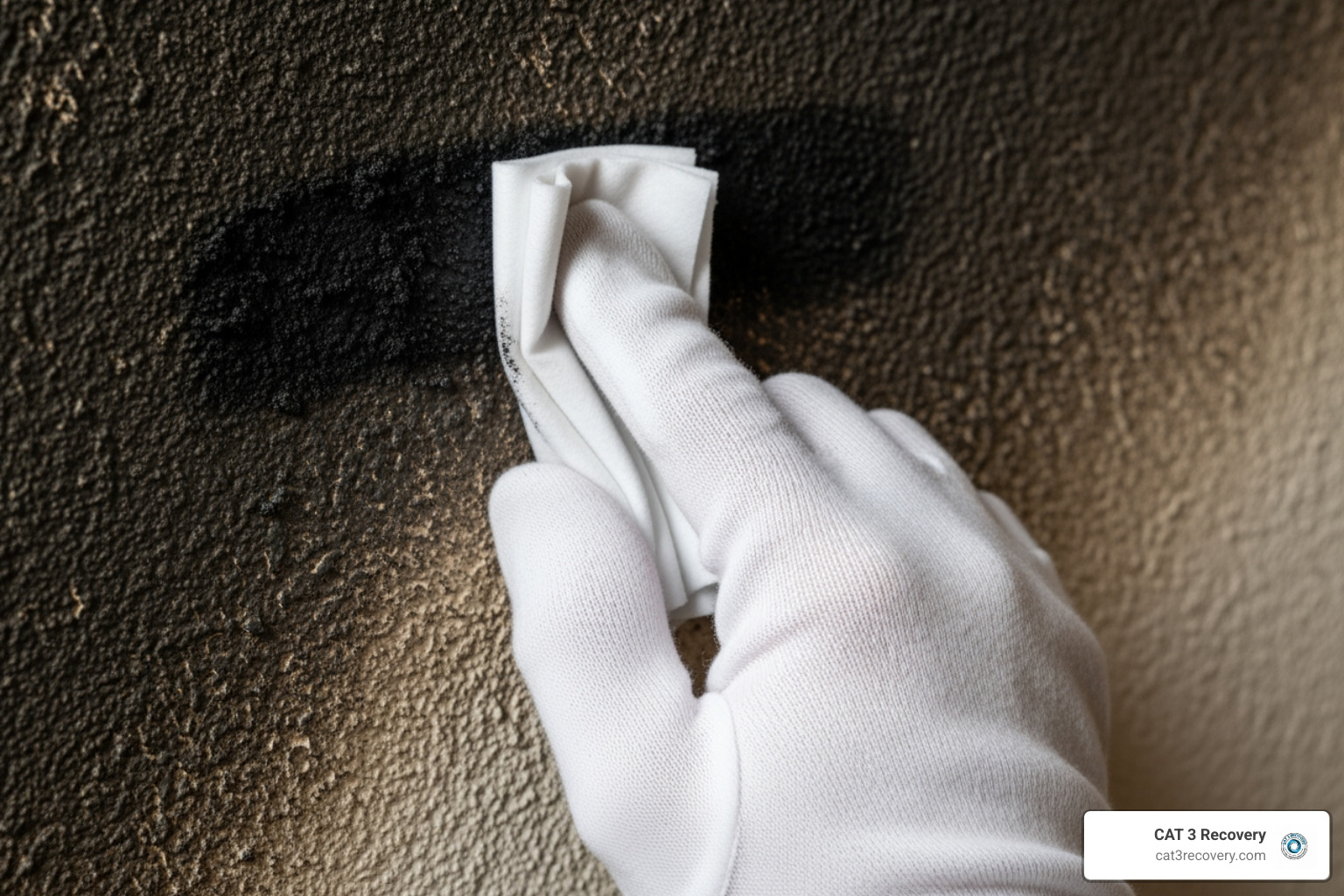
- Soot Residue: Look for black, oily, or powdery residue on surfaces, inside cabinets, and even on personal items. Soot can travel surprisingly far from the fire source. A simple “wipe test” with a white cloth or alcohol wipe can reveal how pervasive soot is, even on seemingly clean surfaces.
- Smoke Odor: A persistent smoky smell indicates that smoke particles have settled into materials. This odor is often the last symptom of fire damage to disappear and requires specialized treatment.
- HVAC System Contamination: Smoke and soot can be drawn into your heating, ventilation, and air conditioning (HVAC) system, spreading contaminants throughout your home. This will require professional cleaning or replacement of ductwork and filters.
Understanding Smoke, Soot, and Water Damage Risks
Fire damage is multifaceted. It’s not just the direct heat and flames, but the insidious byproducts and the necessary efforts to extinguish the blaze that cause widespread destruction.
- Levels of Smoke Damage: Smoke damage can range from light (odor only, no visible soot) to moderate (light soot, visible particulates, odor) to heavy (heavy soot and ash deposition). Each level requires a different restoration approach. Even light smoke can infiltrate porous materials and cause persistent odors if not addressed correctly.
- Types of Soot: Different materials burn at different temperatures, producing various types of soot. Wet smoke, often from low-heat, smoldering fires (like plastics), is sticky and smears easily. Dry smoke, from fast-burning, high-heat fires (like wood or paper), is usually powdery and easier to clean. Oil-based soot is greasy and difficult to remove. Each type requires specific cleaning agents and methods.
- Corrosive Properties of Residue: Fire residue can be highly alkaline or acidic. If not quickly removed, this corrosive nature can permanently etch metal surfaces, causing irreplaceable damage to appliances, fixtures, and electronics.
- Water Damage from Firefighting: While essential for extinguishing the fire, the water used by firefighters often becomes a secondary source of damage. This is especially true if a fire sprinkler system activates, leading to Fire Sprinkler Flooding. This water can saturate building materials, furniture, and personal belongings.
- Secondary Damage: The combination of water and high humidity creates a perfect breeding ground for mold. Mold can begin to grow within 24-48 hours, causing further damage to your property and posing significant health risks. This is why immediate water extraction and drying are crucial after a fire.
- Mold Growth: If water damage is left unaddressed, mold can spread rapidly, compromising indoor air quality and structural integrity. Our team at CAT 3 Recovery is well-versed in both fire and water damage, understanding the critical need to address both simultaneously to prevent mold issues.
DIY Cleanup vs. Professional Smoke Soot Cleanup
After a fire, you might be tempted to start cleaning right away. While some minor tasks can be handled carefully, it’s crucial to understand the limitations and risks of DIY versus professional restoration.
Light Smoke Damage Tasks (with extreme caution and proper PPE):
- Ventilation: Open windows and doors (if safe to do so) to air out the property. Use fans to circulate air.
- HEPA Vacuums: For very light, dry soot on hard surfaces, a HEPA-filtered vacuum can be used. Do NOT use a regular vacuum, as it will simply blow fine soot particles into the air and further into your home.
- Cleaning Hard Surfaces: For non-porous surfaces with light soot, you might carefully wipe them down with a mild detergent solution and a clean cloth, starting with less visible areas to test.
- When to Stop DIY: If you encounter widespread soot, persistent smoke odor, or any signs of water damage, it’s time to stop and call the professionals. Even small fires can cause major damage within minutes and leave lingering odors if not cleaned up properly. If you don’t act within a day or two, soot and smoke can leave permanent damage.
Risks of Improper Cleaning:
- Spreading Soot: Attempting to wipe down surfaces with the wrong cleaning agents or cloths can smear soot, driving it deeper into materials and making professional removal much harder.
- Lingering Odors: Smoke odor is notoriously difficult to remove. DIY methods often only mask the smell temporarily, leading to persistent, unpleasant odors that can permeate your belongings. Professional Smoke Odor Removal uses specialized techniques like ozone treatments or thermal fogging to neutralize odors at a molecular level.
- Health Hazards: Without proper PPE and knowledge, you risk inhaling hazardous particles and exposing yourself to corrosive residues.
- Voiding Insurance: Your insurance policy may require professional restoration for certain types of damage. Attempting DIY beyond minor cleanup could potentially jeopardize your claim.
For anything beyond the lightest, most superficial smoke effects, professional Smoke Soot Cleanup is not just recommended, it’s essential for a complete and healthy recovery of your home.
The Road to Recovery: Insurance, Finances, and Documentation
Navigating the financial and administrative aspects of fire damage can be as daunting as the physical cleanup. We’re here to help you understand this process.
Working With Your Insurance Company
Your insurance policy is your lifeline after a fire. Understanding how to work with your provider is key to a successful recovery.
- Filing a Claim: As soon as it’s safe, contact your insurance agent to officially file your claim. Be prepared to provide details about the fire, the date, and initial observations of damage.
- Insurance Adjuster Role: An insurance adjuster will be assigned to your case. Their role is to assess the damage and determine the payout according to your policy. They will typically want to investigate the damage before restoration work begins. We work closely with adjusters across Southwest Florida to ensure a smooth process.
- Documenting Losses: Continue to document everything. Keep a log of all communications with your insurance company, notes from conversations, and all receipts related to temporary housing, meals, and emergency purchases. This includes any Kitchen Fire Repair related expenses, for example.
- Additional Living Expenses (ALE): If your home is uninhabitable, your policy likely includes ALE coverage, which reimburses you for temporary housing, food, and other necessary expenses while your home is being repaired. Make sure to discuss this with your adjuster and keep meticulous records.
- Saving All Receipts for Reimbursement: Every penny spent during this time, from a hotel stay to a new toothbrush, should be documented. Your insurance company will require these for reimbursement.
Replacing Lost Documents and Records
A fire can destroy more than just physical possessions; it can also incinerate vital documents. Replacing these records is a critical step in rebuilding your life.
Here’s a list of important documents you may need to replace and where to start:
- Driver’s Licenses & Vehicle Registrations: Contact your state’s Department of Motor Vehicles (DMV) or equivalent agency.
- Social Security Cards: Contact the Social Security Administration.
- Birth Certificates & Marriage Certificates: Contact the vital records office in the state or county where the event occurred.
- Passports: Apply for a new passport through the U.S. Department of State.
- Property Deeds & Titles: Contact your county recorder’s office or the financial institution that holds your mortgage.
- Insurance Policies: Your insurance agent can provide copies.
- Medical Records: Contact your healthcare providers.
- Wills & Legal Documents: Contact your attorney.
- Credit Cards & Bank Records: Notify your banks and credit card companies immediately to report cards lost or destroyed.
- Income Tax Records: The IRS provides resources for taxpayers affected by disasters. You can use their Publication 584, Casualty, Disaster, and Theft Loss Workbook, to help reconstruct records for tax purposes. Visit the IRS website for specific guidance on tax relief in disaster situations.
Be prepared for this process to take time, as each agency has its own procedures.
Finding Financial and Emotional Support
A fire damage emergency takes a heavy toll, not just on your property but on your well-being. It’s okay to ask for help.
- Community Resources: Local charities, churches, and community groups often provide assistance to fire victims, including clothing, food, and financial aid. Don’t hesitate to reach out.
- Non-Profit Organizations: Beyond the Red Cross, other organizations may offer support. The Small Business Administration (SBA) offers SBA disaster loans for businesses and homeowners. FEMA also provides FEMA Disaster Assistance for eligible individuals and households.
- Mental Health Support: Experiencing a fire is traumatic. Many people feel shock, grief, anxiety, or depression. Seek out mental health professionals or support groups. Many communities offer free or low-cost counseling services for disaster victims. Taking care of your mental and emotional health is just as important as rebuilding your home.
Choosing the Right Help: Hiring a Professional Restoration Company
While some light cleaning might be tempting, professional restoration is often the wisest, safest, and most effective path to full recovery after a fire damage emergency.
When to Call a Professional for a fire damage emergency
Deciding when to bring in the experts is crucial. Here are clear indicators that professional help is needed:
- Extensive Structural Damage: If walls are charred, ceilings are compromised, or the overall integrity of your home in Bonita Springs, Cape Coral, or Sarasota is in question, professionals are essential for safe and proper repairs.
- Widespread Soot: If soot has permeated multiple rooms, HVAC systems, or soft furnishings, specialized equipment and cleaning agents are required. DIY efforts can often worsen the problem by embedding soot deeper.
- Persistent Smoke Odor: If the smoky smell lingers after initial ventilation, it means smoke particles have deeply embedded themselves. Professional Smoke Odor Removal techniques are necessary to neutralize these odors permanently.
- Water and Mold Issues: If significant water was used to extinguish the fire, or if a sprinkler system deployed, you’re likely dealing with water damage and the potential for mold growth. Restoration companies are equipped to handle both water extraction, drying, and mold remediation simultaneously.
- Need for Specialized Equipment: Professional restorers use industrial-grade air scrubbers, dehumidifiers, ozone generators, thermal foggers, and specialized cleaning solutions that aren’t available to the average homeowner.
- Insurance Company Requirements: Many insurance companies prefer or even require the use of certified restoration professionals to ensure the work is done correctly and to minimize future claims. This is especially true for complex situations like Commercial Fire Damage Repair.
What to Look for in a Fire Damage Repair Company
Choosing the right restoration company in Fort Myers, Naples, or any of our Southwest Florida locations is a critical decision. Not all companies are created equal.
Here’s what to look for:
- IICRC Certification: The Institute of Inspection Cleaning and Restoration Certification (IICRC) is the gold standard in the restoration industry. IICRC-certified technicians have undergone rigorous training and adhere to strict industry standards. This ensures they have the expertise to properly assess and remediate fire, smoke, and water damage. We are proud to have IICRC-certified technicians on our team.
- Licensed and Insured: Always verify that the company is properly licensed and insured. This protects you from liability and ensures they operate within legal guidelines.
- 24/7 Emergency Response: Fires don’t happen on a schedule. A reputable company offers around-the-clock emergency services, ready to dispatch immediately to secure your property and begin mitigation.
- Local Reputation and Reviews: Check online reviews, ask for references, and inquire about their experience specifically in your local area, whether it’s Labelle, Port Charlotte, or Punta Gorda. A strong local presence often indicates reliability and accountability.
- Experience with Insurance Claims: A company experienced in working with insurance adjusters can streamline the claims process, helping to ensure all damage is documented and covered. We pride ourselves on handling insurance paperwork and communication to ease your burden.
- Detailed Written Estimates: Insist on a comprehensive, written estimate that clearly outlines the scope of work, timeline, and costs involved. Avoid companies that offer vague or verbal estimates.
When dealing with a fire damage emergency, you need a partner you can trust. Companies like CAT 3 Recovery, specializing in Fire Damage Repair Cape Coral FL and across Southwest Florida, are equipped with the knowledge, certifications, and compassion to guide you through this difficult time.
Frequently Asked Questions about Fire Damage Emergencies
How long does fire damage restoration take?
The timeline for fire damage emergency restoration varies significantly based on the extent of the damage. A small kitchen fire might take a few days to a week for cleaning and minor repairs, while extensive structural damage from a larger blaze could take several months or even longer. Factors like the type of materials involved, the severity of smoke and soot infiltration, the presence of water damage and mold, and the insurance claim approval process all play a role. A professional restoration company will conduct a thorough assessment to provide a more accurate estimate once the initial mitigation is complete.
Can my personal belongings be saved after a fire?
Absolutely! Many items that appear ruined can often be salvaged. Professional restoration companies like ours use specialized techniques for content cleaning and restoration. These can include:
- Ultrasonic Cleaning: For delicate items, jewelry, or electronics.
- Ozone Treatment: Effective for removing smoke odors from porous items.
- Thermal Fogging: Penetrates materials to neutralize odors.
- Specialized Laundering: For clothing, linens, and other fabrics affected by smoke and soot.
We also offer secure storage for your belongings during the restoration process, ensuring they are protected and cared for until your home is ready.
Will the smoke smell ever go away completely?
Yes, the smoke smell can and should go away completely, but it almost always requires professional intervention. Smoke particles are microscopic and can embed themselves deeply into porous materials like drywall, insulation, fabrics, and wood. DIY methods often only mask the odor temporarily. Professional Smoke Odor Removal involves:
- Thorough Cleaning: Removing all smoke and soot residues from surfaces.
- Ozone Generation or Thermal Fogging: These processes neutralize odor-causing molecules at a molecular level, rather than just covering them up.
- Sealing Surfaces: In some cases, affected surfaces may need to be sealed with specialized encapsulants to prevent residual odors from leaching back into the air.
With the right techniques and equipment, you can return to a home that smells fresh and clean, free from any lingering reminders of the fire.
Conclusion
Experiencing a fire damage emergency is undoubtedly one of life’s most challenging events. Yet, by prioritizing safety, taking systematic steps, and engaging professional guidance, you can steer the path to recovery with confidence. We understand the emotional toll and the practical complexities involved, and our mission at CAT 3 Recovery is to ease that burden for families and businesses across Southwest Florida, from Clewiston to Marco Island.
Our rapid, expert-level emergency response, IICRC-certified methods, and seamless handling of insurance claims ensure that your property is restored efficiently and thoroughly. For expert guidance and immediate assistance with your Fire Damage Repair, contact our certified team today. We’re here to help you rebuild and restore your peace of mind.
