

Why Immediate Action Matters After a Hailstorm
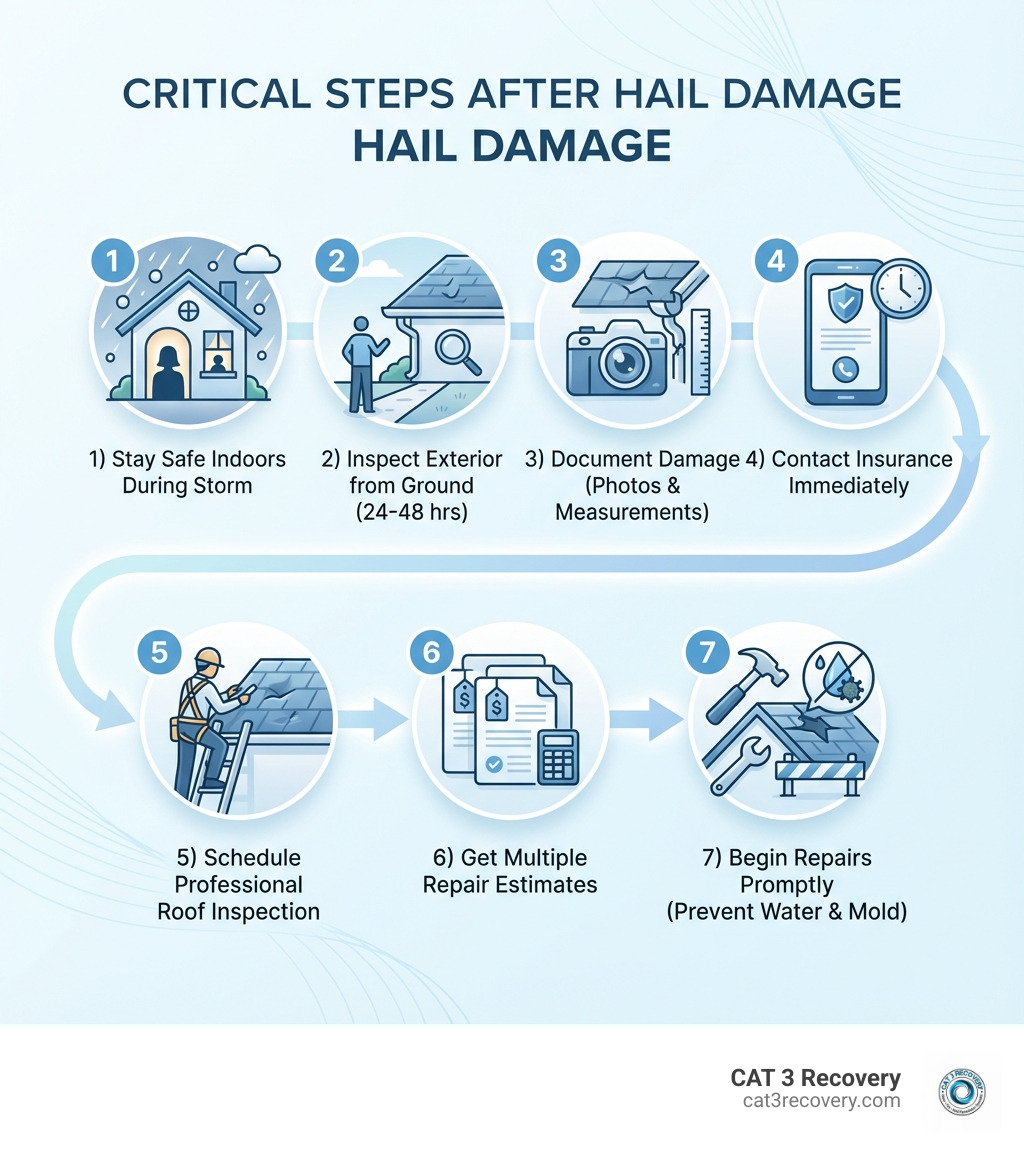
Home hail damage repair requires swift action to protect your property from further issues and ensure your insurance claim is processed correctly. If your home was recently hit by hail, here’s what to do right away:
Immediate Steps for Home Hail Damage Repair:
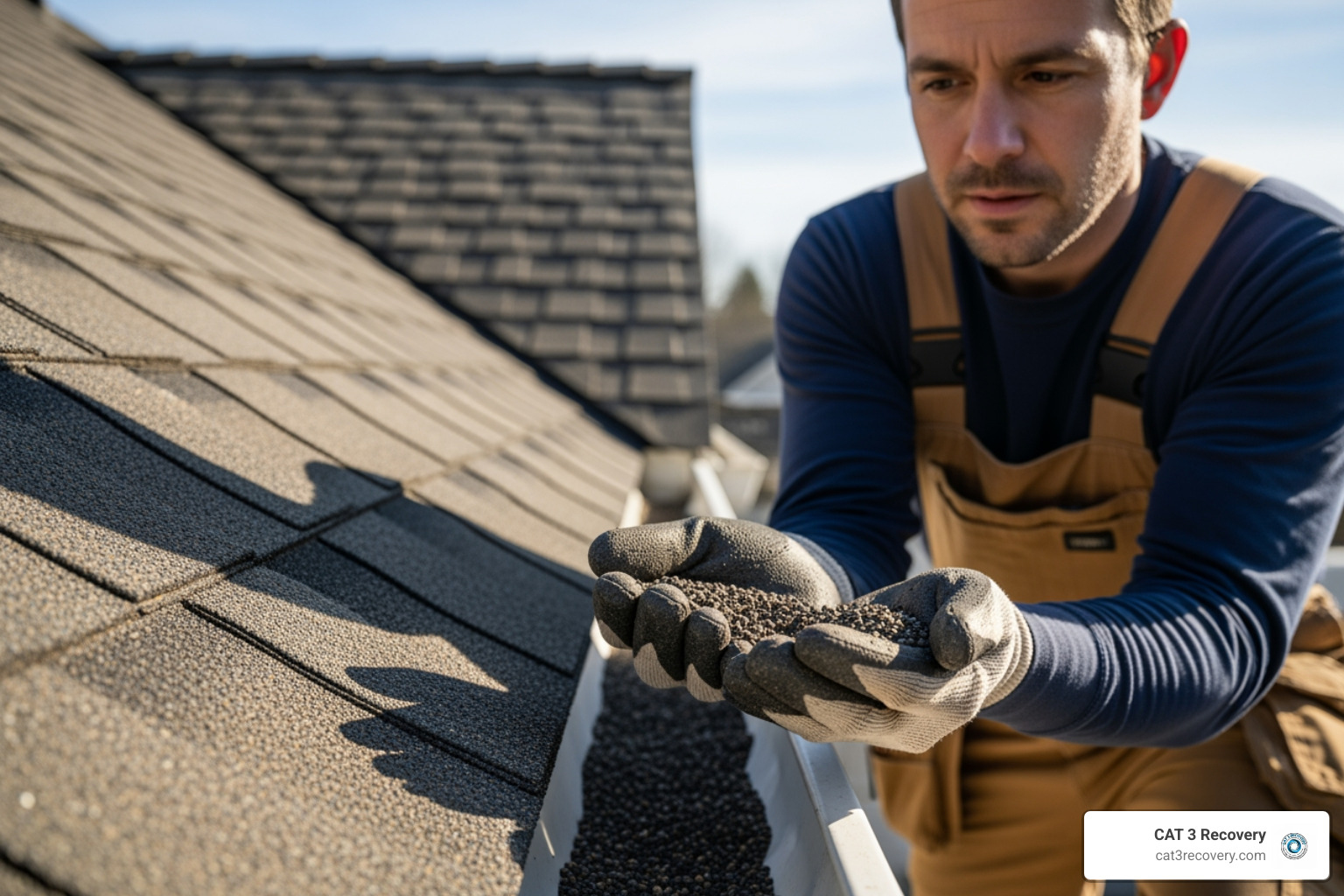
- Inspect from the ground – Check for dents in gutters, siding, AC units, and shingle granules in downspouts
- Document everything – Take photos and videos of all visible damage before it worsens
- Contact your insurance company – Report the damage within their required timeframe (typically 6-24 months)
- Get professional inspections – Hire a licensed contractor to assess hidden damage you can’t see from the ground
- Prevent further damage – Cover any holes or broken areas with tarps to stop water intrusion
Hailstorms are common. In 2019 alone, there were 5,392 recorded storms, with many states reporting hail larger than one inch—enough to seriously damage your roof. Even quarter-sized hail can crack shingles, knock off protective granules, and expose your roof to the elements.
The real danger isn’t just what’s visible. Hail damage often hides beneath the surface, where bruised shingles and micro-cracks allow water to seep into your attic, walls, and ceilings. Left unaddressed, this can lead to mold growth, wood rot, and thousands in additional repairs.
I’m Nino Espinoza, owner of CAT 3 Recovery. With over 20 years of experience in Southwest Florida, I’ve seen how delayed home hail damage repair leads to catastrophic water intrusion and mold. Quick action can mean the difference between a simple roof repair and a full-scale restoration project.
Identifying the Extent of Hail Damage
After a hailstorm, you’ll want to know, “How bad is it?” For your safety, leave rooftop inspections to professionals. However, a thorough ground-level inspection is crucial for identifying obvious damage and documenting it for your insurance claim.
Look for tell-tale signs on other parts of your property. Dents in siding, window sills, gutters, and AC units are often easier to spot and indicate your roof has also taken a hit. Hail damage weakens your roofing system, so a professional assessment is always important.
Signs of Hail Damage on Your Roof
Hail damage can be obvious or subtle. Here are the key signs we look for during an inspection:
- Dents or Bare Spots in Shingles: Hail can leave indentations on shingles, which may look like dark spots where granules have been knocked off.
- Bruising: A subtle form of damage where hail compresses the shingle mat without breaking the surface. It feels like a “bruise on an apple” and weakens the shingle over time.
- Cracking or Fracturing: Severe hail can crack shingles, especially older ones. These cracks are often hard to see from the ground.
- Granule Loss: The most common sign on asphalt shingles is the loss of protective granules, which you may find in your gutters. This exposes the asphalt layer to UV rays, accelerating degradation.
- Exposed Asphalt: When granules are removed, the shiny, dark asphalt layer becomes visible, a clear sign of hail impact.
- Dented Flashing: Metal flashing around chimneys, skylights, and vents is often dented by hail.
- Damaged Vents and Other Roof Components: Metal roof vents, turbines, and skylights can show dings, dents, or cracks.
- Random Damage with No Discernible Pattern: Unlike wind damage, hail damage is typically random and scattered across the roof.
If you notice any of these signs, or even if you just suspect damage, contact us immediately. As experts in storm damage in Southwest Florida, we can provide a thorough assessment.
How Hail Affects Different Roofing Materials
Your roof’s resilience to hail depends on its material. Here’s how different roofing types typically fare:
- Asphalt Shingles: The most common and vulnerable material in Florida. Three-tab shingles can be damaged by 1-inch hail. Hail can dislodge granules, bruise the mat, or crack the shingle, exposing the underlayment.
- Metal Roofs: More resistant than asphalt but not immune. Hail can cause dents and scratches. Larger hail can loosen fasteners, damage flashing, and lead to leaks or cracked paint.
- Wood Shakes: Can be damaged by hail of 1.25 inches (golf ball size), causing dents, cracks, and splits that compromise the wood.
- Clay and Concrete Tiles: Durable, but hail 2 inches or larger can chip, crack, or break them. This damage is less common but can be costly to repair.
- Slate Roofs: Extremely durable, but can be chipped or cracked by very large hail, especially if the slate is older.
Understanding how your specific roofing material reacts to hail is key to planning for effective home hail damage repair.
The Complete Guide to Home Hail Damage Repair: Costs and Considerations
After hail hits, a big question is whether to repair or replace your roof. The decision depends on your roof’s age, the extent of damage, building codes, and property value. We can help you steer these considerations.
Understanding the Cost of Home Hail Damage Repair
The cost of home hail damage repair varies widely. Florida homeowners average $4–$7 per square foot, but this is just a baseline. Several factors influence the final price:
- Average Cost: Hail damage roof repair averages around $940, but can range from $20 for minor fixes to thousands for extensive damage.
- Labor Costs: Typically $45–$75 per hour, per worker. The project’s complexity and duration affect this cost.
- Material Costs: Different roofing materials have different repair costs:
- Asphalt shingles: $1.20–$4 per square foot
- Clay or concrete tiles: $3–$5 per square foot
- Metal shingles: $1–$5 per square foot
- Wood shingles: $6–$7 per square foot
- Project Scope: Small repairs are less expensive. Extensive repairs or a full replacement could cost $25,000 or more, with average replacements around $9,100.
- Associated Water Damage: A significant cost escalator is interior water damage from leaks. Repairs can range from $400–$1,700, with mold remediation adding $1,127–$3,441. This is why prompt home hail damage repair is critical. Our team can help with ceiling leak repair and water damage mitigation to prevent mold. We also specialize in mold remediation in Punta Gorda, FL and across Southwest Florida.
When to Repair vs. When to Replace Your Roof
Deciding to repair or replace your roof after hail damage is critical. This table illustrates common scenarios:
| Scenario | Repair or Replace? | Considerations |
|---|---|---|
| Minor, Isolated Damage | Repair | A few scattered dents or missing granules. The roof is relatively new (under 10-15 years old). Insurance may only cover spot repairs. |
| Widespread Damage | Replace | Numerous impact marks across multiple slopes of the roof, significant granule loss, or widespread bruising. This compromises the roof’s overall integrity. |
| Older Roof (15+ years) | Replace | Even minor hail damage can significantly shorten the remaining lifespan of an older roof. Insurance might only pay Actual Cash Value (ACV), but a replacement offers better long-term protection and value. |
| Structural Damage | Replace | If hail has compromised the roof’s decking or underlying structure, a full replacement is often necessary to ensure safety and prevent further issues. |
| Cost-Effectiveness | Evaluate | If repair costs approach or exceed 60-70% of a replacement cost, replacing the roof often makes more financial sense, especially considering labor warranties and new materials. |
| Insurance Coverage | Follow Policy | Your insurance adjuster’s assessment and policy terms (Replacement Cost Value vs. Actual Cash Value) will heavily influence the decision. A full replacement is often needed if there are seven to 10 hail impact marks within a 10×10 foot area on your roof. |
A full roof replacement is a significant investment, but it provides peace of mind and new warranties, protecting your home for years.
Navigating the Insurance Claim Process
Dealing with insurance after a hailstorm can feel overwhelming, but it’s critical for getting your home hail damage repair covered. Standard homeowners insurance typically covers hail damage in Florida. Our team helps Southwest Florida homeowners make this process as smooth as possible.

Step-by-Step Guide to Filing a Hail Damage Claim
We guide clients through the insurance claim process to ensure all damage is accounted for and you receive a fair settlement.
- Document the Damage: This is the most crucial step. Once safe, take extensive photos and videos of all visible damage from the ground, including close-ups. Use a tape measure to show hail size. List all damaged items, inside and out. Crucially, don’t discard damaged items until your insurer approves.
- Contact Your Insurer: File a claim with your insurer as soon as possible. Most require reporting storm damage within six to 24 months. The sooner, the better. Have your policy number and documentation ready.
- Get Repair Estimates: Before the adjuster visits, contact reputable local roofing contractors for independent repair estimates (aim for three). This provides a cost baseline and helps ensure a fair assessment.
- Meet the Adjuster: Your insurer will send an adjuster. Be present for the inspection, and have your chosen contractor there too. Their expert eye can point out damage the adjuster might miss. Share all your documentation with the adjuster.
- Review the Payout: You’ll receive a settlement offer after the assessment. Review it carefully. If it’s insufficient, you can negotiate. Your contractor can help advocate for you. For more in-depth information, refer to Everything You Need to Know About the Hail Damage Insurance Claim Process.
Common Pitfalls and How to Avoid Them
The insurance claim process can be tricky. Here are common pitfalls to avoid:
- Unlicensed Contractors: Always verify your contractor is licensed and insured in Florida. Using an unlicensed one can lead to poor work and may jeopardize your insurance payment.
- Waiving Deductibles: Be wary of contractors offering to “waive your deductible.” This is often illegal and a sign of fraud. Your deductible is your responsibility.
- Signing Over Claim Rights: Be cautious if a contractor asks you to sign a document allowing direct insurance payment. Understand what you’re signing to avoid losing control over the claim funds before work is complete.
- Incomplete Documentation: Thorough documentation is key. Without it, proving the extent of damage is difficult. We can assist with comprehensive documentation, similar to how we handle it for water damage. Learn more about how to document water damage for insurance: photos, readings, logs.
- Not Preventing Further Damage: Your policy requires you to take reasonable steps to prevent more damage, like tarping the roof. Save receipts for these temporary repairs, as they are often reimbursable.
By being informed, you can steer the insurance process effectively and ensure your home hail damage repair is handled correctly.
Hiring a Professional vs. The Risks of DIY Repair
When your home is damaged by hail, you might wonder if you can tackle some of the repairs yourself. While a DIY spirit is admirable, when it comes to home hail damage repair, we strongly recommend entrusting the work to professionals. The expertise, safety considerations, and warranty benefits that come with professional roofers are invaluable.
How to Find and Choose a Reputable Roofing Contractor
Choosing the right contractor for your home hail damage repair is paramount. A good contractor can make the difference between a smooth restoration and a headache. Here’s what we advise our clients in Southwest Florida to look for:
- Credentials and Experience: Look for companies with a long-standing presence in the community. Ask how long they’ve been in business.
- Licensing and Insurance: This is non-negotiable. Verify that the contractor holds all necessary state and local licenses (especially important in Florida) and carries adequate liability and worker’s compensation insurance. Ask for proof.
- Local References: Request references from previous clients, especially those who have had similar hail damage repairs. Check online reviews and their rating with the Better Business Bureau.
- Written Estimates: Always get a detailed, written estimate that clearly outlines the scope of work, materials to be used, timelines, and costs. Compare multiple quotes.
- Manufacturer Certifications: Some roofing manufacturers offer certifications to contractors who meet specific training and quality standards. This often means they can offer extended warranties on materials and labor.
- Warranty Offerings: Inquire about the warranties provided for both materials and workmanship. A reputable contractor stands behind their work.
- Communication: Choose a contractor who communicates clearly and promptly. You want someone who will keep you informed throughout the repair process.
The Risks of DIY Home Hail Damage Repair
We don’t recommend do-it-yourself (DIY) roof repairs for hail damage. The risks far outweigh any potential savings:
- Safety Hazards: Roof work is inherently dangerous. Falls are common and can lead to serious injury or even death. Without proper safety equipment and training, you’re putting yourself at significant risk.
- Improper Repairs: Roofing is a specialized skill. It’s easy to make mistakes that compromise your roof’s integrity. Improperly installed shingles or flashing can lead to leaks, mold growth, and further structural damage.
- Voiding Warranties: Many roofing manufacturers’ warranties require installation by a certified professional. Attempting DIY repairs could void your existing roof warranty.
- Causing More Damage: A well-intentioned but inexperienced DIY repair can inadvertently cause more damage than the hail itself. Walking on a hail-damaged roof can further loosen granules or crack already weakened shingles.
- Insurance Complications: Your insurance company may be hesitant to cover future damage if previous repairs were not done by a licensed professional. They might also deny a claim if your DIY repair was inadequate and led to further issues.
When it comes to something as critical as your roof, trust the experts. Our team at CAT 3 Recovery is here to help with professional and safe water damage mitigation and repair services, ensuring your home is restored correctly.
Prevention and Long-Term Consequences
In Florida, where severe weather is a fact of life, addressing hail damage is crucial. Neglecting even minor damage can lead to a cascade of problems.
Long-Term Consequences of Neglecting Hail Damage
Putting off home hail damage repair can have severe consequences:
- Slow Leaks and Water Intrusion: Small cracks or missing granules allow water to seep into your attic, ceiling, and walls, often going unnoticed for months.
- Structural Rot: Persistent moisture leads to wood rot in your roof decking and rafters, compromising your home’s structural integrity.
- Mold Growth: Florida’s humid climate is a perfect breeding ground for mold. Water intrusion creates ideal conditions, impacting air quality and health. Our team specializes in mold inspection and remediation across Southwest Florida.
- Reduced Property Value: A damaged roof is a major red flag for buyers and can significantly reduce your home’s market value.
- Compromised Insulation: Wet insulation is ineffective, leading to higher energy bills.
- Future Claim Denial: If a second storm hits and previous hail damage wasn’t repaired, your insurer may deny the new claim, citing pre-existing conditions.
Promptly addressing hail damage safeguards your entire home and investment.
Preventative Measures to Mitigate Future Damage
While we can’t control the weather, we can make our homes more resilient to hail. Consider these preventative measures:
- Impact-Resistant Shingles (Class 4): When replacing your roof, invest in Class 4 impact-resistant shingles. They are tested to withstand large hailstones, and some insurers offer discounts for them.
- Protective Roof Coatings: Coatings like silicone-based systems can add an extra layer of defense, sealing the roof surface and extending its lifespan.
- Regular Maintenance Plans: A well-maintained roof is more resilient. Regular inspections can identify minor issues before they become major problems.
- Trim Trees: Keeping trees trimmed away from your roof can reduce impact points and debris during a storm.
With the frequency of severe weather in Florida, proactive measures are a smart investment for any homeowner.
Frequently Asked Questions about Hail Damage
We often hear similar questions from homeowners in Southwest Florida who are concerned about hail damage. Here are some of the most common ones:
What size hail causes roof damage?
The size of hail that causes roof damage depends heavily on the roofing material and the accompanying wind speed. Generally, hail can begin to cause damage when it is around one inch in size (roughly the size of a quarter).
- Three-tab asphalt shingles: Most fragile, can be damaged by hail 1 inch in diameter.
- Heavy wood shakes and thick fiberglass shingles: May get damaged when hail reaches 1.25 inches (about golf ball size).
- Concrete tiles: May get damaged when hail reaches 2 inches in diameter.
Hail that is at least 1 inch in diameter will typically damage a roof and other property, including windows and vehicles. The extent of damage can be significantly worse, even with small-sized hail, if the wind is intense, driving the hailstones horizontally into the roof surface.
Can minor hail damage cause roof leaks?
Yes, absolutely. Even seemingly minor hail damage can lead to roof leaks over time. While a small dent or a few missing granules might not cause an immediate gush of water, they initiate a process of deterioration.
- Granule Loss: When hail knocks off granules, it exposes the asphalt layer of the shingle to direct sunlight and UV radiation. This accelerates the aging process, making the shingle brittle and prone to cracking.
- Cracks Over Time: What starts as a small bruise or impact point can develop into a crack as the shingle ages and is exposed to temperature fluctuations.
- Water Intrusion: Once the shingle’s protective layers are compromised, water can seep through, eventually reaching the underlayment and then your attic. These slow leaks can go undetected for a long time, leading to significant water damage and mold growth inside your home.
This is why we always recommend a professional inspection, even for what appears to be minor hail damage.
How long do I have to file an insurance claim for hail damage?
The timeframe for filing an insurance claim for hail damage varies depending on your specific homeowners insurance policy and the state regulations in Florida. Typically, most insurance companies require storm damage to be reported within six to 24 months after the event.
However, we always advise our clients to report potential damage as soon as possible. The sooner you file, the smoother the process tends to be, and the less likely you are to encounter issues with proving the damage was caused by a specific storm. Waiting too long can make it difficult to differentiate hail damage from general wear and tear or damage from subsequent storms. Always review your specific policy documents or contact your insurance agent immediately to confirm your exact filing deadline.
Conclusion
When the sky falls and hail damages your home, understanding the essential steps for home hail damage repair is your best defense. From identifying the subtle signs of damage to navigating the complexities of insurance claims and choosing the right professionals, prompt and informed action is key. Ignoring hail damage, no matter how minor it seems, can lead to costly long-term consequences like leaks, structural rot, and pervasive mold growth—problems we unfortunately see all too often here in Southwest Florida.
We hope this guide empowers you to protect your most valuable investment. For expert assistance with any resulting water or structural issues from storm damage, trust the certified professionals at CAT 3 Recovery to restore your property efficiently and with a focus on exceptional customer service. We’re here for you, from Labelle to Naples, Cape Coral to Fort Myers, and across all of Southwest Florida.
Learn more about our Storm Damage Repair services
