

Understanding Your Coverage When Mold Strikes
A mold damage insurance claim can feel like navigating a maze. Most homeowners find mold after water damage and immediately wonder: Will my insurance cover this? The short answer depends entirely on what caused the moisture in the first place.
Quick Answer: Is Mold Covered by Insurance?
- Yes, if: Mold resulted from a sudden, covered event (burst pipe, storm damage, appliance failure)
- No, if: Mold developed from gradual leaks, poor maintenance, or flooding without separate flood insurance
- Coverage caps: Typically $1,000-$10,000 unless you have a mold rider
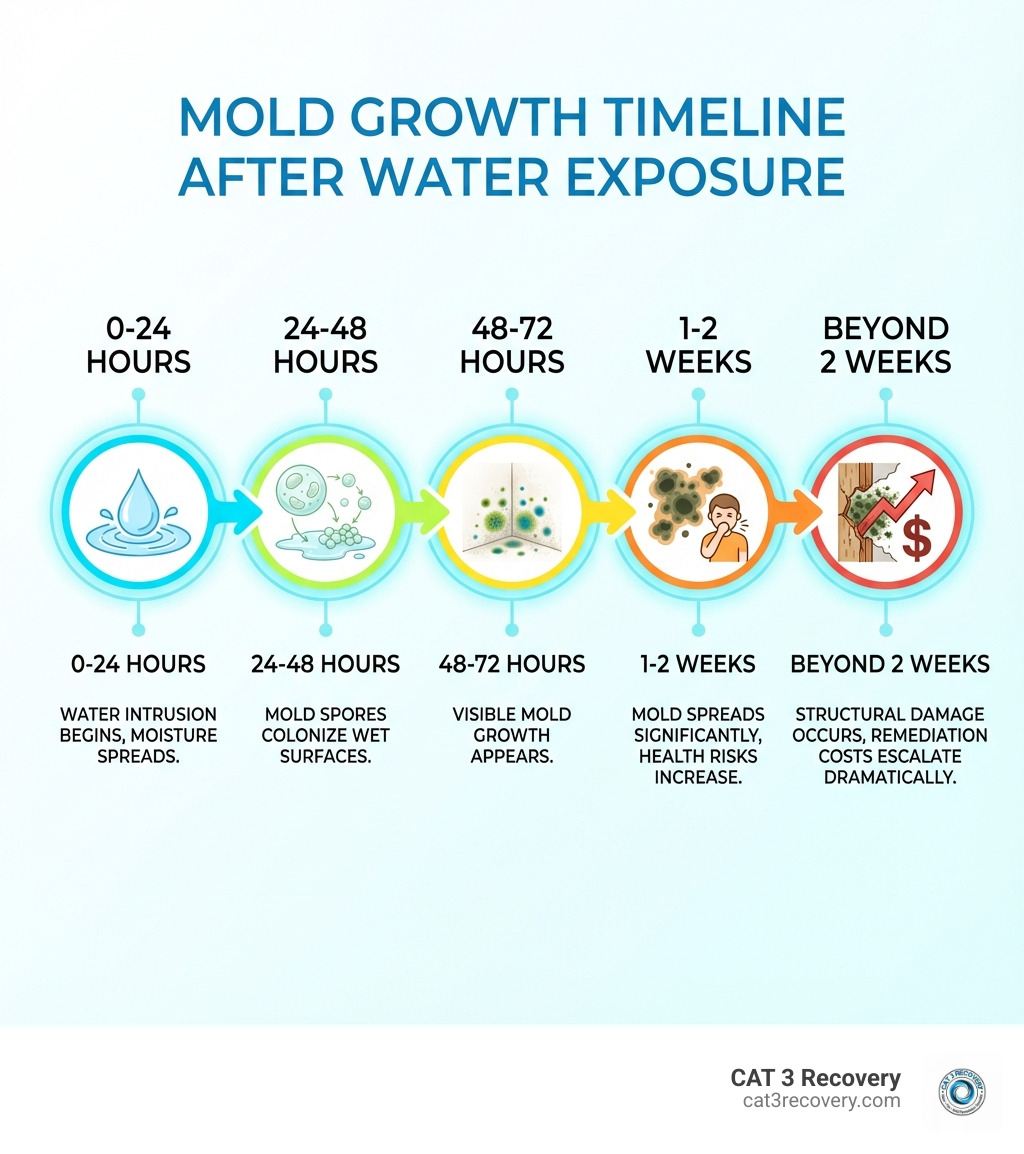
- Timeline matters: Mold can start growing within 24-48 hours of water exposure
- Action required: Document everything and notify your insurer immediately
Here’s the moldy truth: insurance companies view mold as a consequence of water damage, not a separate peril. Coverage hinges on whether the water damage was sudden and accidental—like a burst pipe—or from neglect, like a slow, ignored leak.
The stakes are high. Mold remediation can cost from $3,000 to over $30,000. Without proper insurance, you’re facing that bill alone, plus the health risks and structural damage to your home. Understanding your policy before disaster strikes is critical.
I’m Nino Espinoza, owner of CAT 3 Recovery, and I’ve spent over 20 years helping Southwest Florida property owners steer complex mold damage insurance claims after hurricanes, floods, and burst pipes. In this guide, I’ll walk you through exactly what insurers look for, how to document your claim properly, and when professional remediation becomes non-negotiable.
What is Mold and Why is it a Problem?
Mold is a type of fungus that thrives on moisture and can grow both indoors and outdoors. It starts from tiny airborne spores that settle on moist surfaces, where they reproduce and form colonies.

Mold needs moisture, warmth, and stagnant air to grow. This is why it often appears in places with a lot of moisture like around leaky roofs, windows, or pipes. Beyond being unsightly, mold poses significant risks to your property, causing damage by rotting wood, drywall, carpets, and insulation. Understanding if Is It Mold or Dust? Understanding the Difference is the first step in addressing the problem.
The Health Risks of Mold Exposure
Mold exposure can have serious health implications. There are thousands of different types of mold, broadly categorized into three broad categories:
- Allergenic: Can trigger allergic reactions like asthma attacks.
- Pathogenic: Can cause illnesses, especially in people with compromised immune systems.
- Toxigenic: Produce toxic mycotoxins that can lead to severe health problems. Black mold (Stachybotrys chartarum) is a well-known toxigenic mold.
Exposure to mold might cause the following symptoms:
- Stuffy or runny nose
- Eye irritation (watering, red eyes, itching)
- Sore, dry throat
- Dry cough or sneezing
- Skin irritation
- Wheezing or shortness of breath
- General malaise or fatigue
- Brain fog
People with existing respiratory conditions, infants, children, and the elderly are particularly vulnerable. Long-term exposure can even affect healthy individuals.
Common Hiding Spots for Mold
A musty or damp smell is often the first indicator of mold, which can grow anywhere there’s moisture. Some areas are more prone to mold growth than others:
- Basements: Prone to leaks, high humidity, and poor ventilation.
- Attics: Leaky roofs or poor ventilation can lead to mold on wood and insulation.
- Bathrooms: High humidity makes these prime mold territory. Check around showers, tubs, toilets, and under sinks.
- Kitchens: Leaks under sinks, dishwashers, or behind refrigerators can create hidden mold.
- Around Windows: Condensation on frames and sills provides the moisture mold needs.
- Behind Wallpaper or Drywall: Water leaks can saturate these materials, leading to extensive hidden mold growth.
- Laundry Rooms: Leaky washing machine hoses or poor ventilation can lead to mold.
- Pipes: Any pipe that leaks or has condensation can be a source of mold.
- Carpet and Upholstery: If these materials get wet and aren’t dried quickly, mold will likely follow.
Regularly inspecting these areas, especially after any water intrusion, is crucial for early detection.
Is Mold Damage Covered by Your Insurance Policy?
When we find mold, the first question is, “Will my home insurance cover this?” Coverage for a mold damage insurance claim depends on the source of the moisture. Generally, insurance covers mold if it’s linked to a covered loss under your policy.

This means the key differentiator is whether the water damage that led to the mold was sudden and accidental, or if it was a gradual issue due to neglect or poor maintenance.
When Mold Damage is Typically Covered
Mold damage is generally covered when it results from a sudden and accidental event, often called a “covered peril.” Common scenarios include:
- Sudden Water Discharge: A burst pipe, appliance hose failure, or overflowing toilet. If the water damage is sudden and unexpected, the resulting mold is often covered.
- Water from Fire Extinguishing: Mold from water used to put out a fire is typically covered as part of the fire damage claim.
- Storm-Related Roof Damage: In Florida, if a hurricane damages your roof, allowing rain to enter and cause mold, this would likely be covered.
- Other Covered Perils: Any other peril explicitly listed in your policy that causes sudden and accidental water damage would generally trigger coverage.
The critical element is the sudden and accidental nature of the water event. If you can link the mold to a specific, unexpected incident, your chances of a successful claim are much higher.
When Mold Damage is NOT Covered
Insurance adjusters often deny mold damage insurance claims when the cause is gradual, due to poor maintenance, or from an excluded event. Here are common situations where mold is usually not covered:
- Gradual Leaks and Poor Maintenance: A slow, persistent leak from a faucet or pipe is considered a maintenance issue, not a covered event.
- Neglect: If mold develops because you failed to address a water problem promptly, your claim may be denied.
- High Humidity: Mold caused by poor ventilation or condensation over time is typically not covered.
- Groundwater Seepage: Water seeping into your basement through foundation cracks is usually excluded.
- Flood Damage: Standard homeowners policies exclude flood damage. Mold resulting from a flood will not be covered unless you have a separate flood insurance policy.
- Pre-existing Mold: Mold that was present before your policy began or before a specific water event won’t be covered.
The distinction between “sudden and accidental” and “gradual or preventable” is paramount.
Policy Limits, Riders, and Special Cases
Even when covered, standard policies have mold coverage caps, typically $1,000 to $10,000. Since remediation can cost $3,000 to $30,000 or more, this may not be enough. A mold rider or endorsement can increase your coverage limits, often up to $50,000 or more, which is crucial in humid climates like Florida.
Tenant (Renter’s) Insurance: This typically doesn’t cover structural mold damage to the building but may cover your personal belongings if they are damaged by mold from a covered peril. Report mold to your landlord immediately.
Condo Insurance: For condo owners, responsibility for mold cleanup can be complex. The condo association’s master policy may cover common areas and the structure, while your policy covers your unit’s interior and personal property. As with homeowners, coverage depends on whether the cause was sudden and accidental.
How to File a Successful Mold Damage Insurance Claim
A systematic approach can significantly improve your chances of a successful mold damage insurance claim. Here’s how to proceed from the moment you find mold.
The key to a successful claim lies in proactive steps, thorough documentation, and timely reporting. A successful mold claim requires proof that the mold wasn’t pre-existing or caused by poor maintenance.
Step 1: Take Immediate Action After Finding Mold
As soon as you suspect or find mold, immediate action is critical, as it can form within 24-48 hours of water exposure.
- Stop the Water Source: Your first priority is to stop the water flow. Turn off the main water valve, fix a leaking appliance, or tarp a damaged roof.
- Isolate the Area: To prevent spores from spreading, seal off the affected area by closing doors, using plastic sheeting, and turning off your HVAC system. This is a crucial step in Mold Containment.
- Notify Your Insurer: Contact your insurance company immediately. Many policies have strict reporting deadlines.
- Avoid Major Cleanup (Initially): Avoid extensive cleanup until you’ve documented the damage and spoken with your insurer, as this could destroy evidence needed for your claim.
- Prevent Further Damage: Take reasonable steps to mitigate additional damage, such as using fans to dry the area or removing saturated items. Keep receipts for any supplies purchased.
Step 2: Document Everything for Your Mold Damage Insurance Claim
Documentation is your best friend when filing a claim. This meticulous record-keeping provides undeniable evidence to support your case. Follow these guidelines for comprehensive documentation, as recommended for how to document flood damage:
- Photographs and Videos: Take clear, timestamped photos and videos of all damaged areas and items before any cleanup. Capture both wide shots and close-ups.
- Detailed Notes: Keep a log of when you found the mold, the suspected cause, actions taken, and all conversations with your insurance company.
- Receipts for Temporary Repairs: Hold onto all receipts for supplies purchased to mitigate further damage.
- Inventory of Damaged Items: Create a list of all personal property damaged by mold, including descriptions, age, and approximate value.
- Keep Samples (if advised): Your insurer might advise you to keep small, sealed samples of damaged materials as proof.
This detailed evidence will be crucial when the insurance adjuster assesses your claim.
Step 3: Steer the Official Mold Damage Insurance Claim Process
Once you’ve taken immediate action and gathered documentation, it’s time to formally file your claim.
- Complete Claim Forms: Fill out your insurer’s claim forms accurately and completely, attaching all your documentation.
- Reporting Deadlines: Be aware of any deadlines your policy imposes for reporting damage and submitting your claim.
- The Adjuster’s Visit: Be present during the adjuster’s visit. Walk them through the affected areas and show them your documentation.
- Providing Evidence: If your insurer requests additional information, such as reports from a plumber or a Mold Testing Service, provide it promptly.
- Communication Log: Maintain a continuous log of all communications with your insurer to track the claim’s progress.
After the Claim: Remediation, Costs, and Denials
Once your mold damage insurance claim is filed, the next phase involves remediation, managing costs, and knowing what to do if your claim is denied.
Professional Mold Removal is a specialized process that adheres to strict industry standards, like those from the IICRC. It’s not just about cleaning visible mold; it’s about addressing the source and ensuring proper drying to prevent recurrence. Improper Structural Drying Causes Mold After Water Damage is a common issue that can lead to persistent problems.
Understanding Mold Removal Costs
In our experience in Southwest Florida, remediation costs can range from $3,000 to $30,000 or more. Key factors influencing the cost include:
- Location of the Mold: Mold in hard-to-reach areas like inside walls or attics will cost more.
- Amount and Spread of Mold: Widespread contamination is more expensive than an isolated patch.
- Type of Material Affected: Porous materials like drywall and carpet often need to be removed and replaced.
- Severity of Contamination: The longer mold has been present, the more extensive the work required.
- Containment Requirements: Professional containment barriers add to the cost but are essential for safety.
- Testing and Clearance: Post-remediation testing ensures the mold has been successfully removed.
A standard project often costs homeowners between $2,500 and $7,000, but complex cases, especially those requiring Commercial Mold Removal, can quickly escalate into the tens of thousands.
Professional Cleanup: Why It Matters
The US Environmental Protection Agency suggests homeowners might handle small mold areas (less than about 10 square feet). However, for anything larger or more complex, professional mold remediation is essential. Here’s why:
- Extent of Damage: If mold covers a large area, or if you suspect it’s hidden behind walls or in your HVAC system, it’s a job for experts.
- Contaminated Water: Mold resulting from sewer backup or other contaminated water (Category 3 water) requires specialized handling.
- HVAC Systems: Mold in your HVAC system can spread spores throughout your home and requires professional cleaning.
- Health Risks: If anyone in your household has allergies, asthma, or a compromised immune system, professional remediation is the safest choice.
- Proper Containment and Remediation: Professionals use specialized equipment for containment, air filtration, and thorough drying to ensure mold is safely removed and doesn’t return.
What to Do if Your Claim is Denied
Receiving a denial for your mold damage insurance claim isn’t always the end of the road. Here’s what to do:
- Review the Denial Letter Carefully: Understand the exact reasons for the denial.
- Gather Additional Evidence: If you believe the denial is unwarranted, collect more evidence, such as reports from plumbers or independent mold inspectors.
- Appeal the Decision: Submit a formal appeal in writing, clearly stating why you believe the denial is incorrect and providing any new evidence.
- Consider a Public Adjuster: A public adjuster works for you, not the insurance company, and can review your policy and negotiate on your behalf.
- Seek Legal Counsel: If all other avenues fail, consulting an attorney specializing in insurance claims can be a viable option.
Frequently Asked Questions about Mold and Insurance
Here are some of the most common questions we encounter about mold and insurance in Southwest Florida.
How can I prevent mold growth in my home?
Preventing mold is about controlling moisture. Here are our top tips:
- Control Humidity: Maintain indoor humidity levels between 30% and 50%. In Florida’s humid climate, a dehumidifier is a wise investment.
- Ensure Proper Ventilation: Use exhaust fans in bathrooms and kitchens that vent outside.
- Fix Leaks Promptly: Regularly inspect and immediately repair any leaks from pipes, faucets, and appliances.
- Maintain Your Exterior: Ensure gutters direct rainwater away from your home’s foundation and repair roof damage promptly.
- Address Water Intrusion: After any water event, dry out wet areas and items within 24-48 hours.
Proactive maintenance is your best defense against a future mold damage insurance claim.
How long do I have to file a mold claim?
The timeframe for filing a mold damage insurance claim varies by policy and state law, often from six months to a year or more from the “date of loss.” However, nearly all policies require you to report damage “promptly.” Delaying notification could lead to your claim being denied, as insurers may argue that your inaction allowed the damage to worsen. Always consult your specific insurance policy for exact deadlines.
Will filing a mold claim increase my insurance premium?
Filing any insurance claim has the potential to impact your premiums. Whether your rates increase depends on the cause of the claim, its severity, your claim history, and your insurer’s policies. For a small mold issue, it might be more cost-effective to pay for remediation out-of-pocket. For significant damage, however, the benefits of filing a claim often outweigh the potential premium increase.
Your Partner in Mold Recovery
Navigating a mold damage insurance claim can be a complex and stressful experience for any homeowner. The “moldy truth” is that coverage hinges on the cause of the water damage, not just the presence of mold. We’ve learned that documentation is king, immediate action is crucial, and understanding your policy’s nuances – including limits and riders – is paramount.
For homeowners in Bonita Springs, Bradenton, Cape Coral, Clewiston, Estero, Fort Myers, Labelle, Lehigh Acres, Marco Island, Naples, North Fort Myers, Port Charlotte, Punta Gorda, Sanibel Island, Sarasota, Tampa, Venice, and throughout Charlotte, Collier, Hendry, Lee, and Manatee Counties in Southwest Florida, mold is a persistent concern. That’s why having a reliable partner for both remediation and insurance navigation is invaluable.
For expert assistance with Mold Remediation and navigating insurance complexities, trust the IICRC-certified team at CAT 3 Recovery. We specialize in rapid, expert-level emergency response and use certified methods to ensure your property is restored efficiently, with a focus on exceptional customer service.
Contact us today for a comprehensive assessment of your restoration needs. We’re here to help you turn a stressful situation into a successful recovery.
