

Why Mold Damage Removal Matters for Your Home and Health
Mold damage removal is the process of identifying, containing, and eliminating mold growth from your property while addressing the underlying moisture problem that caused it. Here’s what you need to know right away:
Quick Answer: Essential Steps for Mold Damage Removal
- Act within 24-48 hours of water damage to prevent mold growth
- Small areas (less than 10 sq. ft.): Clean with detergent and water while wearing N-95 respirator, goggles, and gloves
- Large areas (more than 10 sq. ft.): Call a certified professional immediately
- Fix the moisture source first—leaks, humidity, or water intrusion
- Discard porous materials like carpet, ceiling tiles, and drywall that can’t be fully cleaned
- Never paint over mold without cleaning and fixing the water problem first
The reality is simple: mold can begin growing within 48 hours after water intrusion. What starts as a small patch behind your washing machine or under a bathroom sink can quickly spread throughout your home, causing structural damage and serious health problems like asthma attacks, chronic coughing, and respiratory infections.
The key to mold control is moisture control. If wet or damp materials are dried within 24-48 hours after a leak or spill, mold usually won’t grow. But once it takes hold, mold produces spores that float through the air, land on other damp surfaces, and start the cycle all over again.
As Nino Espinoza, owner of CAT 3 Recovery with over 20 years of frontline experience in mold damage removal across Southwest Florida, I’ve seen how quickly mold can go from a minor nuisance to a major health and structural crisis. My team and I have handled everything from small residential patches to large-scale commercial remediation projects following hurricanes and major floods, always following strict IICRC standards to ensure complete, safe, and code-compliant mold damage removal.
This guide will walk you through everything you need to know—from identifying the first warning signs to understanding when you can handle cleanup yourself versus when it’s time to call in certified professionals.
First Signs of Trouble: Identifying Mold and Its Dangers
Mold is often a sneaky intruder, lurking in hidden corners before making its grand, unsightly debut. But even before you see it, there are clear indicators that mold might be setting up shop in your Southwest Florida home. We’re talking about those tell-tale signs that scream, “Hey, something’s not quite right here!”
One of the most common red flags is a persistent musty odor. That damp, earthy smell is a strong indicator of fungal growth, even if you can’t see the mold itself. This odor is caused by microbial volatile organic compounds (MVOCs) produced by mold as it grows. If it smells like mold, it probably is mold.
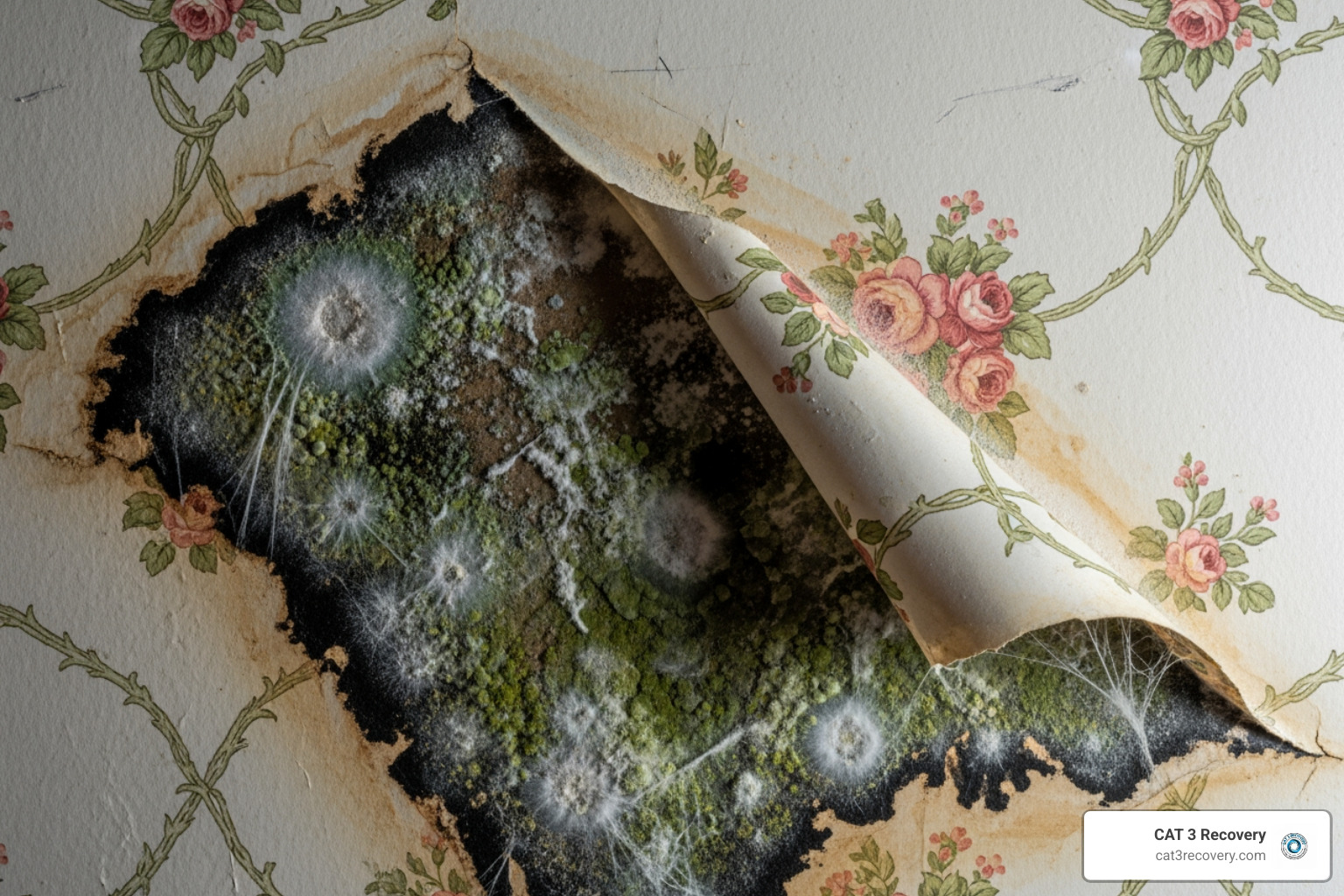
Beyond the smell, keep an eye out for water stains or discoloration on walls, ceilings, or floors. These are often clues to a hidden moisture source, which is mold’s best friend. You might also notice peeling paint or warped wood, which can indicate underlying moisture and potential mold growth. We often find mold hiding behind wallpaper, under flooring, or inside wall cavities, especially after a leak or flood. This is why a thorough Mold Inspection is crucial when you suspect a problem.
How Quickly Does Mold Spread?
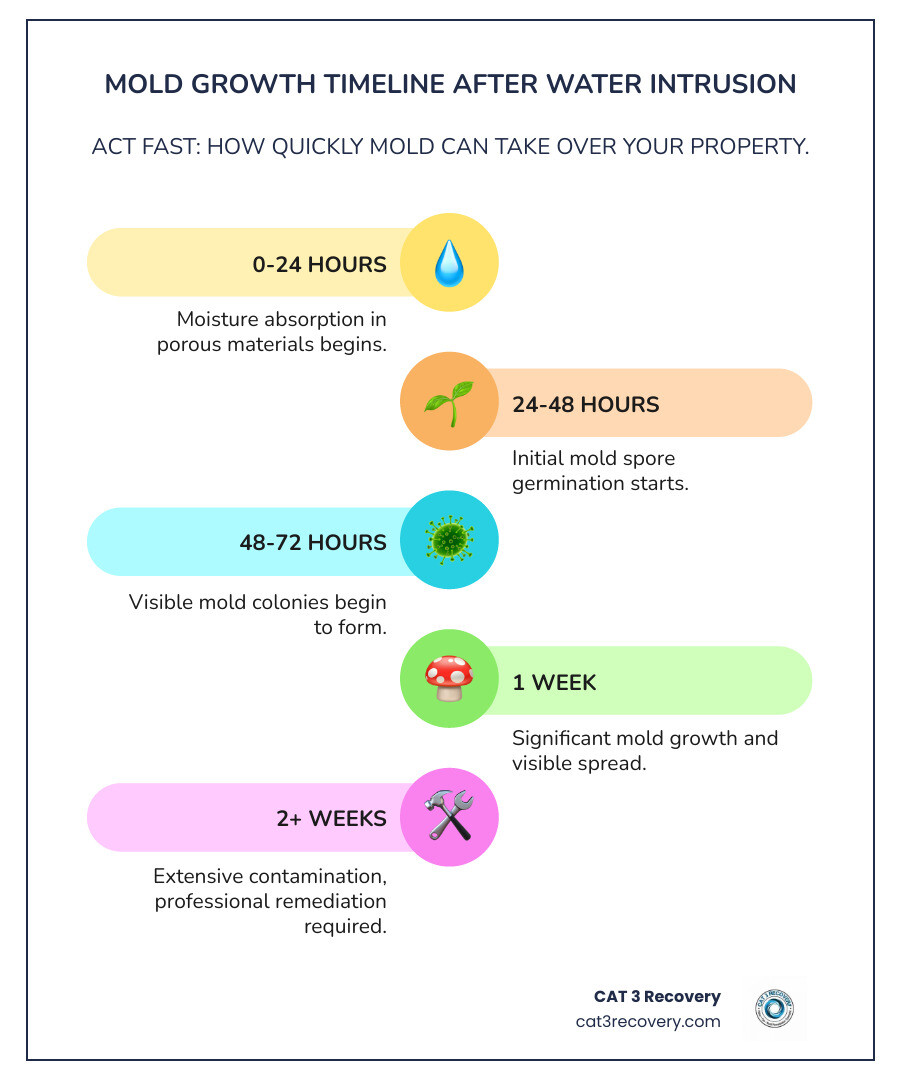
One of the most alarming facts about mold is its speed. Mold doesn’t dilly-dally. Once water intrusion occurs, mold can begin to spread within 24 to 48 hours. Yes, you read that right – that’s often less than two days! If wet or damp materials aren’t dried within this critical 24-48 hour window, you’re practically rolling out the welcome mat for mold spores.
Mold thrives on moisture and organic materials. In our humid Florida climate, this means a burst pipe, a leaky roof, or even just high indoor humidity can quickly turn into a mold problem. The tiny spores, ever-present in the air both indoors and out, simply need moisture to germinate and start forming colonies. This rapid growth underscores why immediate action after any water damage is paramount. The longer materials stay wet, the more extensive the mold growth will be, making mold damage removal a more complex and costly endeavor. Understanding How Long Wet Building Materials Can Stay Before Mold Growth Begins is crucial for prevention.
Key Health Risks Associated with Mold Exposure
While often unsightly, the real concern with mold goes beyond aesthetics – it’s about your health. Exposure to mold can lead to a range of health issues, with symptoms varying depending on the individual’s sensitivity, the type of mold, and the extent of exposure.
Common health risks include:
- Eye, nose, and throat irritation: You might experience itchiness, watery eyes, sneezing, or a scratchy throat.
- Coughing and wheezing: Mold spores can irritate the respiratory system, leading to persistent coughing or wheezing, especially for those with existing respiratory conditions.
- Shortness of breath: In more severe cases, or for sensitive individuals, mold exposure can cause difficulty breathing.
- Skin irritation: Rashes or other skin irritations can develop from contact with mold.
- Worsening of asthma symptoms: People with asthma who are allergic to mold often experience more frequent and severe asthma attacks when exposed.
- Respiratory infections: Prolonged exposure, particularly in damp conditions, may contribute to the development of bronchitis and other respiratory infections.
- Allergic reactions: Mold produces allergens that can trigger immediate or delayed allergic responses.
Some molds also produce mycotoxins, which are potentially toxic substances. While the direct health impact of mycotoxins in indoor environments is still a subject of ongoing research, we know they can be harmful. Indoor mold growth may pose a health hazard, and individuals living in homes with mold and damp conditions are more likely to experience these symptoms. For a deeper dive into the science, you can review Scientific research on mold health effects. Our article on Mold vs Fungi: What Scientists Know That Most People Don’t offers additional insights into the nature of these organisms.
High-risk groups, including infants, children, seniors, pregnant people, and individuals with respiratory conditions or compromised immune systems, are particularly vulnerable to mold’s health effects. If you or your family members fall into these categories, it’s especially important to address any mold issues promptly and professionally.
DIY Mold Cleanup: A Guide for Small-Scale Problems (<10 sq. ft.)
For those tiny, manageable mold patches that pop up, perhaps in a corner of your shower or a small spot on a window sill, a do-it-yourself approach to mold damage removal might be suitable. We generally recommend that if the moldy area is less than about 10 square feet (roughly a 3 ft. by 3 ft. patch), you can often handle the job yourself. This is where a little elbow grease and common sense go a long way.
Before you even think about scrubbing, preparation is key. First and foremost, you must fix the underlying water or moisture problem. If you don’t, the mold will just come right back, and all your hard work will be for naught. Next, make sure any susceptible individuals or pets are out of the area during cleanup. Safety always comes first!

Essential Personal Protective Equipment (PPE)
When tackling mold, think of yourself as a superhero in training – you need your gear! We can’t stress enough the importance of proper personal protective equipment (PPE) to safeguard your health during mold damage removal.
Your essential mold cleanup kit should include:
- N-95 respirator: This is crucial to protect your lungs from inhaling mold spores. Ensure it’s a well-fitting, disposable N-95 respirator. They’re designed to filter out airborne particles, including mold spores.
- Goggles: Protect your eyes from spores and cleaning solutions. Regular glasses aren’t enough; you need goggles that provide complete eye protection.
- Non-porous gloves: Disposable gloves made of vinyl, nitrile, or rubber will protect your skin from direct contact with mold and cleaning agents. Avoid latex if you have allergies.
- Protective clothing: Wear old clothes that you can wash thoroughly afterward or, even better, dispose of. This prevents spores from spreading to other areas of your home.
Proper Mold Containment during DIY cleanup means minimizing the spread of spores. Keep the area well-ventilated by opening windows, and consider turning off your HVAC system to prevent spores from circulating.
Steps for Minor Mold Damage Removal on Hard Surfaces
Once you’re geared up and the moisture source is addressed, it’s time to get down to business. For small areas of mold on hard, non-porous surfaces, the cleanup process is straightforward:
- Prepare your cleaning solution: We recommend a simple solution of unscented detergent and water. Avoid using bleach, as Health Canada and the EPA advise against it for mold cleanup. Bleach doesn’t effectively kill mold on porous surfaces, and its fumes can be hazardous. Never mix cleaning products, especially bleach and ammonia, as this can create toxic vapors.
- Scrub the mold away: Use a stiff brush or scrub sponge to thoroughly scrub the mold off the surface. For washable surfaces like glass, metal, plastics, vinyl, wood, and tiles, this method is highly effective.
- Wipe and rinse: After scrubbing, wipe the area clean with a damp cloth to remove any remaining mold residue and cleaning solution.
- Dry completely: This step is critical! Mold needs moisture to grow, so ensure the cleaned area is completely dry. You can use fans or a dehumidifier to speed up the drying process. If the area isn’t dried thoroughly, the mold will likely return.
The goal is not just to kill the mold but to remove it. Even dead mold can still cause allergic reactions. This process is detailed further in A Brief Guide to Mold, Moisture and Your Home.
When to Discard Porous Materials
While hard surfaces can often be cleaned, porous materials are a different story. If mold has infiltrated items like carpet, ceiling tiles, drywall, mattresses, upholstery, or paper products, it’s often impossible to clean them completely. Mold can grow on or fill in the empty spaces and crevices of these materials, making full remediation incredibly difficult.
Our recommendation is clear: if porous materials are moldy, especially if they’ve been wet for more than 24-48 hours, they should be discarded. Trying to save them is usually a losing battle, and you risk leaving behind mold spores that can lead to regrowth and continued health issues. This applies even more so if the items were soaked with floodwater, which can contain sewage or other contaminants. For extensive mold on these materials, particularly when dealing with potentially hazardous types like black mold, professional guidance is often necessary. Learn more about Black Mold Removal and why it’s a serious concern.
Professional Mold Damage Removal: When to Call in the Experts
There comes a point when the mold problem is simply too big, too complex, or too dangerous for a DIY approach. That’s when it’s time to call in the cavalry – certified professionals like us at CAT 3 Recovery. We’ve seen it all across Southwest Florida, from hidden infestations to widespread contamination after hurricanes.
You should definitely consider professional mold damage removal if:
- The moldy area is large: If a single patch of mold is larger than 3 m² (about 32 sq ft), or if the total moldy area exceeds 10 square feet (roughly a 3 ft. by 3 ft. patch), professional assessment and cleanup are required.
- There’s HVAC contamination: If you suspect mold has infiltrated your heating, ventilation, and air conditioning system, this requires specialized cleaning to prevent widespread spore distribution throughout your home.
- The mold is due to sewage backup or contaminated water: Floodwater, especially from sewage, can introduce other hazardous contaminants, making professional handling essential for safety.
- You have recurring mold: If mold keeps coming back after your cleanup efforts, it means the underlying moisture problem hasn’t been fully resolved, or the cleanup wasn’t thorough enough.
- You suspect hidden mold: If you smell mold but can’t see it, it might be growing behind walls, under floors, or in other inaccessible areas. Investigating hidden mold can be difficult and destructive, often requiring professional expertise.
- You or family members have health concerns: If anyone in your household is experiencing health issues related to mold exposure, it’s best to let professionals handle the cleanup to minimize further exposure.
For any commercial property, the stakes are even higher due to potential business interruption and health regulations. We offer specialized Commercial Mold Removal services custom to businesses.
Mold Removal vs. Mold Remediation
This is a critical distinction that often confuses homeowners. While the terms “mold removal” and “mold remediation” are often used interchangeably, there’s a significant difference in what they entail, particularly when performed by professionals.
| Feature | Mold Removal (often DIY or incomplete) | Mold Remediation (Professional Standard) The guide aims to provide information and guidance for individuals to manage mold issues, emphasizing prevention.
– H3: How does climate change potentially impact indoor moisture levels and mold growth?
– Research: “Changes in temperature, humidity, and extreme weather events (such as heavy rainfall and flooding) associated with climate change are expected to increase the risk of indoor dampness and mold growth.” This is a crucial point for Florida.
– Climate change can lead to more frequent and intense storms, increased humidity, and higher temperatures, all of which contribute to higher indoor moisture levels. This creates an ideal breeding ground for mold.
What are the differences in approach for residential versus commercial mold remediation?
While the fundamental principles of mold damage removal remain the same, the approach for residential versus commercial mold remediation often differs due to scale, complexity, and regulatory requirements.
- Scale and Scope: Commercial properties are typically much larger than residential homes, meaning mold infestations can be more extensive and affect a greater number of people. This requires larger teams, more equipment, and a more robust containment strategy.
- Business Interruption: For commercial clients, minimizing downtime is paramount. Our commercial mold remediation services are designed to be efficient and swift, getting businesses back to operation as quickly and safely as possible.
- Regulatory Compliance: Commercial projects often have stricter regulatory requirements and health and safety standards. We ensure all work adheres to local, state, and federal guidelines, especially for businesses where employees and customers are present.
- HVAC Systems: Commercial buildings typically have larger and more complex HVAC systems, which can easily spread mold spores throughout the entire structure. Remediation of these systems requires specialized knowledge and equipment.
- Building Materials: Commercial structures may use different building materials than residential ones, requiring specific remediation techniques.
- Insurance Implications: Commercial insurance claims for mold damage can be more intricate, involving business interruption clauses and higher claim values.
Whether it’s a small patch in your Bonita Springs home or a large infestation in a Port Charlotte business, we tailor our approach to meet the specific needs and challenges of the property, ensuring effective and lasting mold damage removal.
How can insurance claims be managed effectively for mold damage?
Navigating insurance claims for mold damage can be tricky, but with the right approach, you can manage it effectively. Here’s what we recommend:
- Document Everything: As soon as you find mold, take extensive photos and videos of the mold, the water source, and any damaged items. Documenting discarded items for insurance claims is also important. Keep detailed records of all communication with your insurance company, contractors, and any other parties involved.
- Contact Your Insurance Agent Immediately: Don’t delay. The sooner you report the damage, the better. Be honest and thorough in your description of the situation.
- Review Your Policy for Mold Coverage: Mold coverage can vary significantly between policies. Some policies have specific exclusions, sub-limits, or require the mold to be a direct result of a covered peril (like a sudden pipe burst, not long-term humidity). Understand what your policy covers and what it doesn’t.
- Understand the Cause: Insurance typically covers mold damage if it results from a sudden and accidental event that is covered by your policy (e.g., a burst pipe). Mold from long-term neglect, high humidity, or chronic leaks may not be covered.
- Get Professional Estimates: Obtain detailed, written estimates from qualified mold remediation professionals like CAT 3 Recovery. These estimates should clearly outline the scope of work, including inspection, containment, remediation, and reconstruction.
- Work with Your Adjuster: Be cooperative but also advocate for yourself. Provide all requested documentation promptly. If there’s a dispute, seek clarification and understand the reasons for their decision.
At CAT 3 Recovery, we have extensive experience working with insurance companies across Southwest Florida. Our team can help you understand the process and provide the necessary documentation to support your claim, ensuring a smoother path to restoring your property.
Conclusion
When it comes to mold damage removal, the message is clear: moisture control is paramount, and acting fast is non-negotiable. From the moment water intrusion occurs, you have a narrow 24-48 hour window to dry materials and prevent mold from taking hold. Ignoring mold, even small patches, can lead to serious health issues and extensive property damage.
We’ve walked through how to identify mold, the critical speed at which it spreads, and the health risks it poses. We’ve also provided a guide for safe DIY cleanup of small areas, emphasizing the use of proper PPE and the importance of discarding porous materials that can’t be fully cleaned. Crucially, we’ve highlighted the difference between surface mold removal and comprehensive mold remediation, and when it’s essential to call in certified professionals for larger, more complex, or recurring issues.
Your health and the integrity of your home are too important to leave to chance. Don’t let mold take over your property or your peace of mind. For comprehensive and certified mold remediation services, contact our experts to restore your property and peace of mind. We are here to help you steer the complexities of mold damage removal and ensure your home in Southwest Florida is safe and healthy.
Learn more about our Mold Remediation process
